Latest News
Research & Innovation
How a heart medication could unlock a new targeted approach in lymphoma
Feb 4, 2026
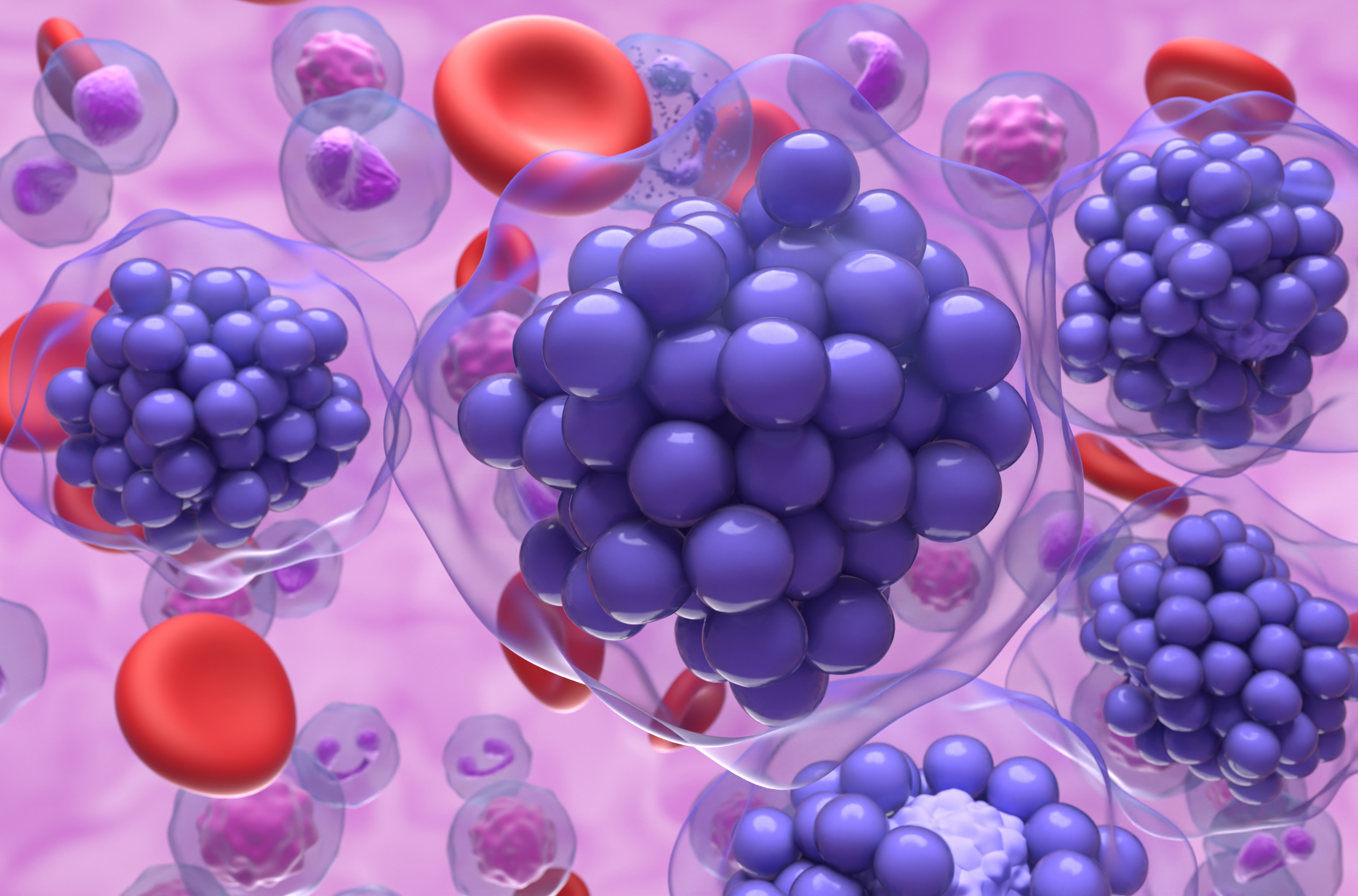 Lymphoma is a cancer that starts in cells that are part of the body's immune system. Diffuse large B-cell lymphoma (pictured) is the most common and fast-growing type of non-Hodgkin lymphoma. (Credit: iStock)
A team of researchers at VCU Massey Comprehensive Cancer Center discovered an innovative way to use a drug already approved in treating irregular heartbeat to selectively target specific functions of enzymes in lymphoma, effectively killing cancer cells and reducing tumor growth with little to no toxicity. Recent findings published in Pharmacological Research set the groundwork for how this strategy could help transform the future of precision medicine in cancer.
“These findings redefine our understanding of the USP11 enzyme and shed light on the anti-tumor effects of RBF4—an existing heart medication—illuminating a new therapeutic approach in lymphoid malignancies and beyond,” said study senior author Ronald Gartenhaus, M.D., associate director for veterans health at Massey and director of the Richmond VA Cancer Center.
USP11 belongs to a family of enzymes called deubiquitinases (DUB) that regulate protein stability within cells. For years, efforts to develop DUB inhibitors have focused on blocking the region where enzymatic reactions occur, also called the catalytic active site. However, this approach has faced significant challenges: the active sites of DUB family members are structurally similar, making it difficult to achieve selectivity without causing off-target effects. Additionally, many catalytic inhibitors have suffered from poor drug-like properties and limited effectiveness in living systems.
The VCU team took a different path. Rather than competing in the crowded landscape of active site inhibitors, they targeted USP11's ubiquitin-like (UBL) domain, a non-catalytic scaffolding region that enables USP11 to interact with its protein partners. This strategic decision allowed them to exploit structural differences unique to USP11 that distinguish it from closely related family members like USP4 and USP15.
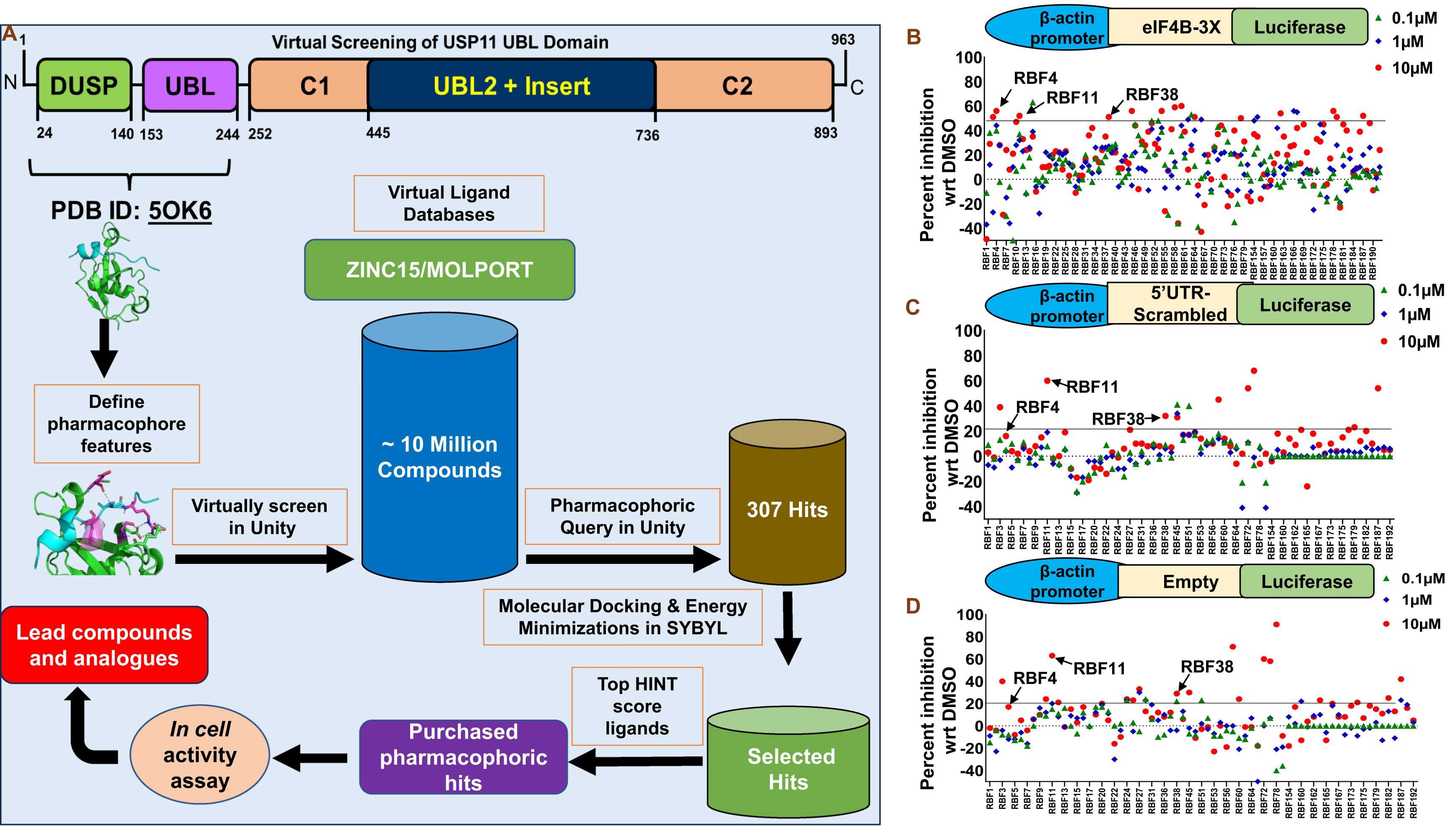 A team of researchers at VCU Massey Comprehensive Cancer Center discovered an innovative way to selectively target specific functions of enzymes in lymphoma, setting the groundwork for a new strategy that could shape the future of precision medicine in cancer. (Figure published in Pharmacological Research)
“This study establishes a new paradigm for targeting non-enzymatic functions in tumor cells and positions the molecules RBF4 and RBF11 as first-in-class prototypes that could lay the foundation for the next generation of precision medicine for cancer,” said study co-author Bandish Kapadia, Ph.D., an assistant professor at the VCU School of Medicine. “By focusing on USP11's scaffolding functions rather than its catalytic activity, we've unlocked a new therapeutic vulnerability in aggressive cancers.”
A team of researchers at VCU Massey Comprehensive Cancer Center discovered an innovative way to selectively target specific functions of enzymes in lymphoma, setting the groundwork for a new strategy that could shape the future of precision medicine in cancer. (Figure published in Pharmacological Research)
“This study establishes a new paradigm for targeting non-enzymatic functions in tumor cells and positions the molecules RBF4 and RBF11 as first-in-class prototypes that could lay the foundation for the next generation of precision medicine for cancer,” said study co-author Bandish Kapadia, Ph.D., an assistant professor at the VCU School of Medicine. “By focusing on USP11's scaffolding functions rather than its catalytic activity, we've unlocked a new therapeutic vulnerability in aggressive cancers.”
Glen E. Kellogg, Ph.D., a professor emeritus at the VCU School of Pharmacy, led the computational chemistry efforts central to this discovery. Using structure-based virtual screening, his team analyzed over 10 million compounds to identify molecules capable of selectively binding USP11's scaffolding domain work that ultimately led to RBF4.
The inhibitors demonstrated potent activity against diffuse large B-cell lymphoma cells while largely sparing normal cells.
Lymphoma is a cancer that starts in cells that are part of the body's immune system. Diffuse large B-cell lymphoma is the most common and fast-growing type of non-Hodgkin lymphoma, accounting for approximately one in every three lymphomas, according to the American Cancer Society.
In relevant preclinical models of MYC-driven lymphoma, RBF4 significantly reduced tumor growth, prevented metastatic spread and inhibited fluid accumulation, all without observable damage to surrounding tissue.
RBF4 was found to be chemically identical to dronedarone, an FDA-approved medication used to treat irregular heartbeat. This serendipitous discovery opens the possibility of repurposing an existing drug for cancer treatment, potentially accelerating the path to clinical trials by leveraging established safety data.
“The fact that this molecule has already been used without significant toxicities in patients was reassuring because now we know that it can already be used safely and effectively for certain patients in the clinical setting,” said Gartenhaus, whose lab has been studying RNA translation and lymphoma for decades.
This work builds on previous research from Kapadia and Gartenhaus, published in Nature Communications, which demonstrated that USP11 plays a critical role in controlling protein production in lymphoma cells, making it an attractive therapeutic target.
Looking ahead, the researchers are collaborating with Victor Yazbeck, M.D., a hematologist-oncologist, in an effort to investigate the efficacy of RBF4 for lymphoma through clinical trials at Massey. If RBF4 is found effective through initial clinical trials, there is reasonable evidence to suggest that the drug could target a wide range of other tumors, where USP11 has previously been implicated in breast, cervical, colorectal, esophageal, liver, ovarian and pancreatic cancers, among others.
This research was funded by the Department of Veterans Affairs, multiple grants through Virginia Commonwealth University, as well as partial funding from the NIH-NCI Comprehensive Cancer Center Support Grant awarded to Massey. The research would not have been achieved without multidisciplinary scientific collaboration and the support of shared resources across the Massey and VCU enterprise.
Other collaborators on this research include Forum Kayastha, Ph.D., and Anirban Roychowdhury, Ph.D., of the VCU School of Medicine; Noah Herrington, Ph.D., of the VCU School of Pharmacy; and other collaborators from the Maryland Healthcare System and Richmond Veterans Affairs Medical Center.
Written by: Blake Belden
Related News
Research & Innovation, Clinical Care, Prevention
Colorectal Cancer Awareness Month: Q&A with Dr. Khalid MatinMar 18, 2026
Research & Innovation, Clinical Care
VCU Massey Comprehensive Cancer Center Introduces First-In-Market Brachytherapy Brain Tumor SurgeryMar 16, 2026
Research & Innovation, Clinical Care, Community Engagement
Leaps and bounds in radiation oncology: Putting patients at the center of their cancer careMar 10, 2026

Get access to new, innovative care
Treatments in clinical trials may be more effective or have fewer side effects than the treatments that are currently available. With more than 200 studies for multiple types of cancers and cancer prevention, Massey supports a wide array of clinical trials.

Find a provider
Massey supports hundreds of top cancer specialists serving the needs of our patients. Massey’s medical team provides a wealth of expertise in cancer diagnosis, treatment, prevention and symptom management.