
Latest News
Research & Innovation, Clinical Care
VCU Massey Comprehensive Cancer Center Introduces First-In-Market Brachytherapy Brain Tumor Surgery
Mar 16, 2026
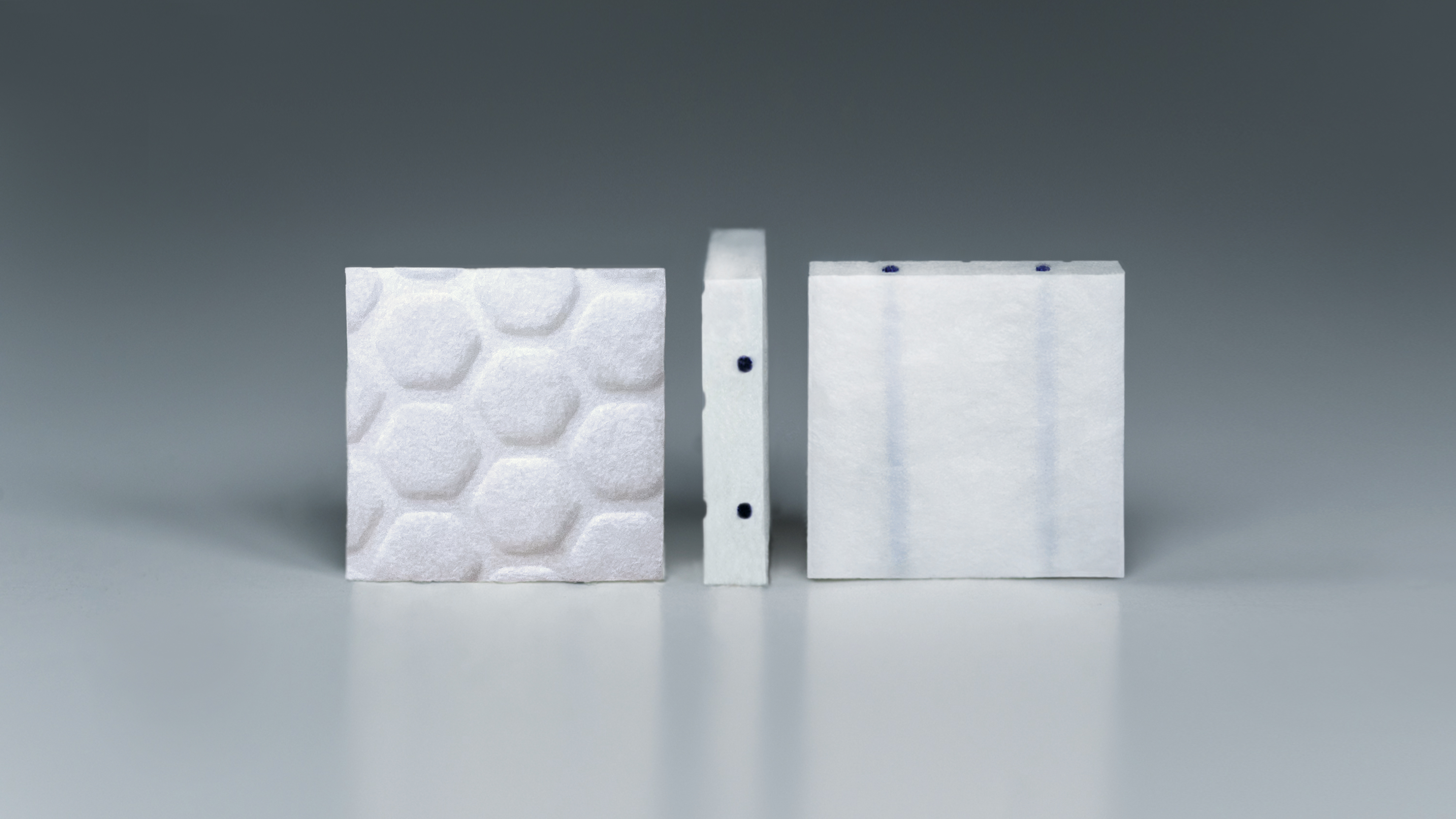 Tile-based radiation represents the next generation of brachytherapy to treat cancer.
The neurosurgical oncology team at VCU Massey Comprehensive Cancer Center recently debuted a first-in-market tile-based brachytherapy to treat glioblastoma, completing their first surgery in December 2025. Additional surgeries were conducted in January and February 2026.
According to the American Cancer Society, glioblastoma is the most common and most aggressive type of brain tumor in adults. Because glioblastoma tends to grow quickly and invades deeply into nearby brain tissue, it is difficult to treat and fully eradicate the tumor and cancer cells. The five-year relative survival rate for glioblastoma patients aged 40 or older is six percent.
The next generation of brachytherapy
Brachytherapy is a type of internal radiation therapy designed to immediately deliver radiation to brain tumor sites through an implantable device. Tile-based radiation represents the next generation of brachytherapy to treat cancer. During surgery, neurosurgeons remove the tumor and then line the tumor cavity with a postage stamp-sized patch that is infused with radiation, thereby eschewing the usual four-week waiting period between surgery and radiation treatments that have marked previous therapeutic options.
Time to radiation is critical to success, with delayed start times for radiation resulting in rapid drop offs in efficacy. Brachytherapy prevents this issue by delivering immediate treatment to improve outcomes and reduce the risk of tumor regrowth. Massey is one of two cancer centers in Virginia to offer this treatment.
Ryan Cleary, M.D., a neurosurgeon at Massey who led the first surgery, said, “With aggressive tumors like glioblastoma or brain metastases, you can never eliminate every cancer cell. The delay before radiation effectively gives those remaining cells weeks to recover and grow before treatment resumes.
“Tile-based brachytherapy allows radiation to be delivered directly to the surgical cavity at the time of surgery, reducing delays and potentially improving outcomes.”
Tile-based radiation therapy is just one of the many innovative brain cancer treatment options currently offered at Massey, joining awake surgeries for tumor resections, laser ablation, and other cutting-edge approaches.
The future of brain cancer treatment, brachytherapy and clinical trials
Tile-based radiation is currently FDA-cleared for patients with newly diagnosed malignant (cancerous) brain tumors and patients with recurrent brain tumors. Additional clinical trials are ongoing to further support the effectiveness of tile-based radiation to treat brain cancer.
Previous iterations of brachytherapy were time consuming and had limited efficacy.
For Cleary, the potential of tile-based radiation surgery offers promise in the fight against brain cancer.
“The reality is that the standard of care for glioblastoma has been stagnant and limited for the last 20 years. We're in definite need of new technologies and treatment options to push survival out to any meaningful extent.”
Patients and providers who are interested can learn more about Massey’s brain cancer treatments and teams.
Related News
Research & Innovation, Clinical Care, Community Engagement
Leaps and bounds in radiation oncology: Putting patients at the center of their cancer careMar 10, 2026
Research & Innovation
Researchers identify Achilles’ heel in lung cancer through common p53 genetic mutationMar 9, 2026

Get access to new, innovative care
Treatments in clinical trials may be more effective or have fewer side effects than the treatments that are currently available. With more than 200 studies for multiple types of cancers and cancer prevention, Massey supports a wide array of clinical trials.

Find a provider
Massey supports hundreds of top cancer specialists serving the needs of our patients. Massey’s medical team provides a wealth of expertise in cancer diagnosis, treatment, prevention and symptom management.