About the T32 Cancer Prevention and Control training program
The NCI-funded T32 Cancer Prevention and Control (CPC) training program at VCU Massey Comprehensive Cancer Center enables pre- and postdoctoral trainees to become future leaders in cancer prevention and control.
This predoctoral and two-year postdoctoral training program is individually tailored and multidisciplinary. It offers a core curriculum in the science and practice of conducting CPC research, individualized training opportunities and a mentored research experience.
Specific opportunities include (but are not limited to):
- Cancer communication, including the use of social media and digital/mobile health
- Cancer health care economics
- Cancer survivorship and outcomes research
- Community-engaged research
- Health behavior research, tobacco control and cancer screening
Applicant eligibility
Predoctoral: Candidates should be enrolled in a participating VCU Ph.D. program, pursuing cancer-related research for their dissertation and have passed their comprehensive exams. Email mcccrtec@vcu.edu for additional information about the T32 predoctoral fellowship.
Postdoctoral: Candidates should have a doctorate (Ph.D., M.D. or M.D./Ph.D.) in a relevant discipline by the start of the fellowship from an accredited domestic or foreign educational institution. In addition, candidates should have demonstrated an interest in cancer science and experience working in and fostering a collaborative faculty, staff and student environment or commitment to do so as a postdoc at VCU. Candidates MUST have a green card or U.S. citizenship.
Application process
Applications will be accepted on a rolling basis and reviewed upon receipt. Available slots are dependent on the number of positions actively filled. All applications must include the following:
- A recent curriculum vitae (CV) including previous research experience, both didactic and practical
- A personal statement describing the reason for seeking research training, specific research interests and how the fellowship will contribute to future career plans in cancer prevention
- At least two letters of recommendation, including one from a training director or doctoral committee chairperson/advisor
For information or questions about the T32 program, email mcccrtec@vcu.edu.
Richmond, Virginia

There are 6 Virginia Commonwealth University (VCU) health science schools—medicine, population health, dentistry, pharmacy, nursing and health professions—located in Richmond, the capital of the Commonwealth of Virginia. Nicknamed “River City”, or RVA, Richmond sits alongside the James River line in the Piedmont region, and serves as the center of the metropolitan area known for its rich cultural history.
VCU Massey Comprehensive Cancer Center
Massey was established at VCU in 1974, became an NCI-designated cancer center in 1975, and has been continuously funded by an NCI Cancer Center Support Grant (CCSG) since that time. In 2023, Massey earned its designation from the NCI as a Comprehensive Cancer Center. Massey has more than 140 members representing more than 25 academic departments across six VCU schools and colleges. Massey members are organized into three research programs:
- Cancer Biology: Program members unravel the mechanistic underpinnings of tumor pathogenesis and progression and identify key interactions between tumors and their microenvironment that could shed light on the intrinsic and extrinsic mechanisms accounting for cancer progression.
- Developmental Therapeutics: Program members explore cancer therapeutics, identify molecular targets, assess the molecular genetic profiles of tumors, and translate these findings and the findings of the other two programs into novel therapeutic strategies for the treatment of cancer.
- Cancer Prevention & Control: Program members identify cancer risk factors as well as develop and conduct interventions to decrease the cancer burden in the Massey's catchment area and improve cancer-related care, patient health outcomes and survivorship.
Massey's vision is to be a premier community-focused cancer center leading the nation in cancer research and ensuring optimal health outcomes for all. Utilizing a Community-to-Bench model, the center aims to bridge the disconnect between academia and the communities it serves. Through this model, Massey increasingly employs an approach that acknowledges the community as an equal expert and strategic research partner that informs the prioritization, development, execution and dissemination of cancer research, education, care and policy agendas.
Current trainees
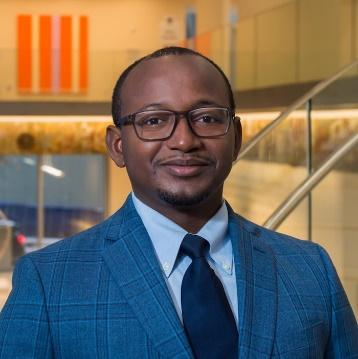
Nixon Ricardo Araúz, Ph.D., M.A., is a postdoctoral fellow in the NCI-funded T32 Cancer Prevention and Control Training Program within the Department of Family Medicine and Population Health at the Virginia Commonwealth University (VCU) School of Medicine. Dr. Araúz earned his Ph.D. in Social and Behavioral Sciences from the VCU School of Public Health. He holds a master’s degree in health education from Columbia University and a bachelor’s degree in biology and Society from Cornell University.
Research interests: Dr. Araúz’s research broadly focuses on conducting mixed-methods analyses grounded in humanistic frameworks within social and behavioral health sciences, health policy, and health communication. His work spans key areas such as chronic disease prevention, cancer risk factor reduction, cancer prevention and control, vaccine uptake, tobacco use, social epidemiology, and rural community health. A central aim of his research is to address systemic disparities and the persistent health challenges faced by men. Currently, Dr. Araúz is particularly interested in integrating preventive medicine and health advocacy approaches to close gaps in health outcomes and improve access to care for all Americans, especially within the context of cancer prevention and control.
Mentor: Mignonne Guy, Ph.D.
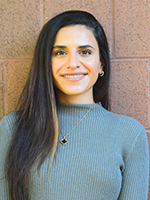 Guleer Shahab, M.P.H., is a predoctoral student in the CPC T32 training program in the Department of Health Policy. Guleer received her Master in Public Health from the University of Virginia. Prior to coming to VCU for her Ph.D., she worked as a Lead Data Analyst for the Virginia Department of Health during which she served in the COVID-19 pandemic response.
Research interests: Guleer is interested in taking a multidisciplinary approach to investigating cancer outcomes, particularly for local communities. Her dissertation work uses a sequential explanatory mixed-method study design.
Mentors: Andrew Barnes, Ph.D.
Katherine Tossas, Ph.D., M.S.
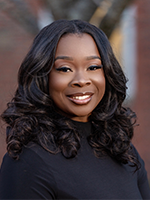 Chelsey McGill, Ph.D., is a postdoctoral fellow in the NCI-funded T32 Cancer Prevention and Control Cancer program in the Department of Psychiatry and Massey Comprehensive Cancer Center at VCU. Dr. McGill received her Doctoral degree in Health Psychology from the Virginia State University.
Research interests: Dr. McGill’s primary research interest is in cancer prevention. She is particularly interested in developing health interventions. Dr. McGill’s dissertation was focused on identifying psychosocial and environmental hurdles for colorectal cancer knowledge in young adult males in Petersburg, VA. During her training at Massey, she will deepen her knowledge in developing and testing interventions to increase uptake in screening while further understanding the factors associated with screening knowledge.
Mentor: Oxana Palesh, Ph.D., M.P.H.
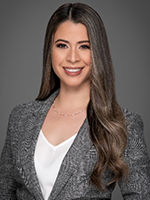 Lorraine N. Vélez-Torres, Ph.D., M.P.H., is a postdoctoral fellow in the NCI-funded T32 Cancer Prevention and Control-Cancer Training Program in the Department of Biomedical Engineering. Dr. Vélez-Torres received her Ph.D. in Microbiology from the University of Puerto Rico – Medical Sciences Campus in 2023. She also obtained a Master of Public Health degree with a concentration in Epidemiology from the same institution in 2015.
Research interests: Dr. Vélez-Torres' primary research field is cardio-oncology, with a specific focus on how inflammation contributes to accelerated atherosclerosis in breast cancer patients. She is particularly interested in identifying novel molecular and imaging biomarkers that can accurately predict and monitor cardiotoxicity. Dr. Vélez-Torres aims to extend this research to support vulnerable breast cancer survivorship.
Mentor: Jennifer H. Jordan, Ph.D.
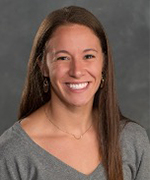
Karly Casanave-Phillips, Ph.D., is a postdoctoral fellow in the CPC T32 training program in the Department of Social and Behavioral Sciences. Dr. Casanave-Phillips received her Ph.D. in Sport, Exercise and Performance Psychology from West Virginia University.
Research interests: Dr. Casanave-Phillips would like to continue her work in community-engaged research and is interested in developing multi-level and integrated lifestyle interventions for cancer prevention and survivorship among adolescents and young adults.
Mentor: Jessica LaRose, Ph.D.
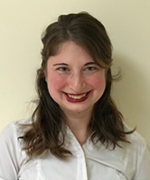
Gabrielle Maldonado, M.S., is a predoctoral fellow in the CPC T32 training program in the Department of Psychology. Gabrielle brings an eclectic mix of experiences to the program which range from working as field paramedic to post-baccalaureate research as a clinical lab scientist working in a NIH-funded liver cancer research lab at Massey. Gabrielle also has a Master’s degree in Rehabilitation and Mental Health Counseling and a Master’s degree in Psychology from VCU. As a cancer survivor herself, Gabrielle brings her passion for advocacy, community engagement and cancer education and prevention to the T32 training program. Gabrielle also is the founder and president of Students Caring about Cancer at VCU which encompasses a group of students interested in cancer prevention work and promotion.
Research interests: Gabrielle’s overarching research interest is around tobacco and nicotine product control. Specifically, Gabrielle explores motivations and behaviors associated with tobacco and nicotine product use. With findings from her work, Gabrielle hopes to inform tobacco and nicotine product prevention and intervention efforts, specifically those targeted towards populations who may be at greater risks for the detrimental health effects caused by such products.
Mentor: Caroline Cobb, Ph.D.
Alumni
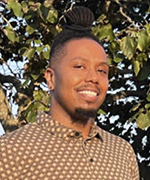 Bryan McKiver, M.S., was a predoctoral fellow in Massey’s CPC T32 training program. He is currently a Ruth L. Kitschstein predoctoral fellow Ph.D. candidate in the Department of Pharmacology and Toxicology.
Research interests: Bryan has a history of engaging in research related to cancer treatment (B.S.) and cancer genetics (M.S.). His current research focuses on investigating the role of Astrocyte Elevated Gene-1 (AEG-1) and Cholinergic Receptor Nicotinic Alpha 7 Subunit (ChRNA7) in models of chronic pain, such as Chemotherapy-Induced Peripheral Neuropathy (CIPN). He is also interested in clinical and translational research.
Current status: Postdoctoral Fellow, Yale University
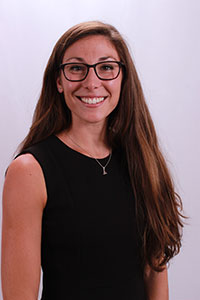
Moriah P. Bellissimo, Ph.D., is a registered dietitian with a master’s degree in health sciences from Georgia State University and a Ph.D. in nutrition and health sciences from Emory University.
Research interests: Her research focuses on understanding the role of diet, exercise, and metabolism on body composition and fat distribution, which strongly influence metabolic disease development. Currently, she is studying the role of nutrition and body composition on metabolism in individuals undergoing cancer treatment and cancer survivors. The goal of this work is to inform targeted, nutrition-focused therapies that promote health and mitigate cardiovascular risk in this population.
Current status: Postdoctoral Fellow, Virginia Commonwealth University
 Devon C. Freudenberger, M.D., was a postdoctoral fellow in Massey’s CPCe T32 training program in the Department of Surgical Oncology. Dr. Freudenberger received her medical degree from Oakland University William Beaumont School of Medicine and is currently a general surgery resident at VCU.
Research interests: Dr. Freudenberger’s primary clinical and research interests are in intra-abdominal malignancies. She is interested in the outcomes associated with the disease and treatment.
Current status: Surgical Resident, Virginia Commonwealth University
 Carrie A. Miller, Ph.D., M.P.H., recently completed her Ph.D. in social and behavioral sciences at the VCU School of Medicine. Her dissertation was facilitated by a Susan G. Komen predoctoral training fellowship and focused on the effects of providing average risk adults with colorectal cancer risk assessment results. She also obtained a Master of Public Health degree from VCU in 2013. As part of her master's program, Miller assisted with an evaluation of the colorectal cancer screening behaviors among community-dwelling residents of southeast Virginia and spent one month in South Africa helping to conduct a community-engaged research project. She has been honing her research skills for nearly two decades. Prior to attending graduate school, she worked in a variety of clinical research roles in the academic and private sectors.
Miller's overarching research interests involve the intersection of health and social, behavioral and psychological factors. She is particularly interested in health promotion and preventive services within cancer prevention and control. She is currently working with Bernard Fuemmeler and Sunny Kim on projects related to cancer communications, social media and mobile/digital health. She looks forward to contributing her expertise to these projects and enhancing her research skills and professional repertoire as a T32 CPC fellow.
Current status: Assistant Professor, Virginia Commonwealth University
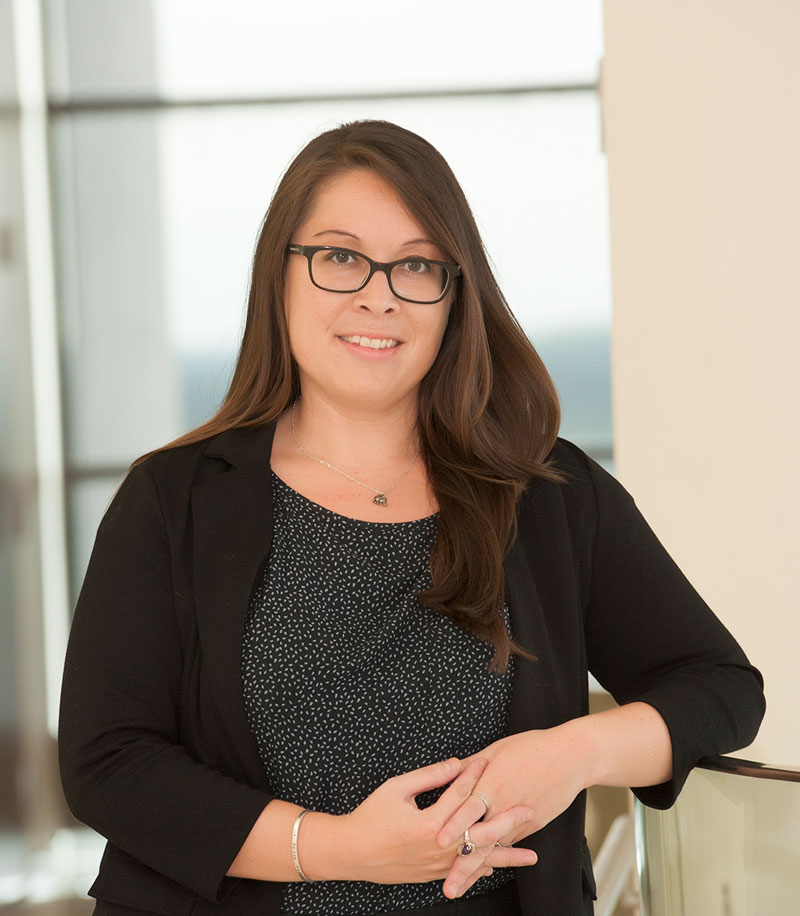
Jean Reading, M.A., was mentored by mentored by Jessica LaRose, Ph.D as a predoctoral fellow in Massey's T32 training program. Broadly, her research interests include the design and implementation of lifestyle interventions for the prevention and treatment of obesity. Within that overarching area of interest, she is specifically interested in the dissemination of evidence-based lifestyle interventions into real-world settings—including the use of technology and implementation in clinical care settings. Reading has published a systematic review of physician trainings related to weight loss communication with patients; differences in exercise preferences among young adults within the context of weight control programs; and is conducting a secondary data analysis of performance in a technology-driven behavioral weight loss trial. Her dissertation involves a pilot randomized clinical trial to determine the preliminary efficacy and feasibility of a low touch lifestyle intervention to reduce adiposity among young men, coupled with semi-structured interviews to refine the recruitment and intervention protocol.
Current status: Assistant Professor, University of Illinois College of Medicine
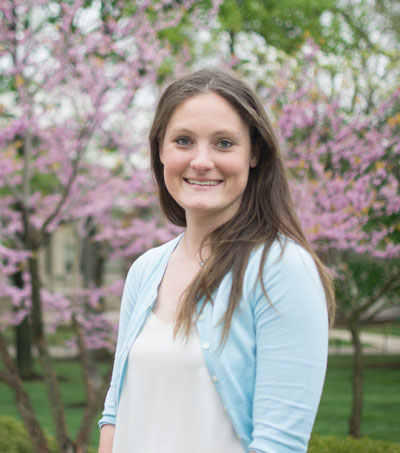
Elizabeth L. Adams, Ph.D., was a fellow in the NCI-funded T32 postdoctoral training program in cancer prevention and control research at VCU Massey Comprehensive Cancer Center. Her primary research interest included the development and dissemination of family-based interventions designed to prevent childhood obesity. She was particularly interested in how parenting practices shape multiple health behaviors (physical activity, eating, sleep patterns) in childhood and how these health behaviors impact weight trajectories across development. She worked with Massey researcher Melanie Bean in the Healthy Lifestyles Center at Children’s Hospital of Richmond at VCU on projects related to the school food environment on children’s dietary intake and adolescent obesity treatment interventions.
Current status: Assistant professor, Exercise science, University of South Carolina School of Public Health

Kerri-Anne Mitchell, Ph.D., M.P.H., was a fellow in the NCI-funded T32 postdoctoral training program at Massey. Her core research interests included patient-centered care and communication and research and evaluation outcomes. Under the mentorship of Dr. Richard Brown, she explored how novel patient engagement and patient-provider communication strategies can be used to identify and incorporate patient priorities into cancer care decision-making. Dr. Mitchell’s goal was to improve the efficacy and timeliness of the implementation of patient priorities leading to improved care outcomes among vulnerable patient groups. She received her doctorate in Health Promotion and Behavioral Sciences from the University of Texas Health Science Center at Houston (UT Health) School of Public Health in 2018 with minors in Biostatistics and Healthcare Management. While pursuing her doctorate she engaged in both independent and collaborative research projects at the University of Texas MD Anderson Cancer Center related to understanding patients’ perspectives of their care and defining patient-centered care for cancer patients. At UT Health, she contributed to projects focused on promoting cancer screening in underrepresented populations and employee wellness.
Current status: Assistant professor, Austin College Public Health Program

Bonny Morris, R.N., M.S.P.H., was mentored by Bernard Fuemmeler, Ph.D, M.P.H., as a fellow in Massey's T32 training program in cancer prevention and control. Her primary research interests are in rural cancer control and care delivery. As a pre-doctoral fellow, Morris has examined rural cancer survivorship and care delivery strategies through qualitative studies on patient portal use, a systematic literature review of health technology use in rural populations, semi-structured interviews and qualitative analysis of treatment discontinuation in rural and urban breast cancer survivors, and a secondary analysis of electronic medical records and health claims data examining radiation treatment non-adherence in rural and urban cancer patients. Her dissertation involves a mixed methods approach to understanding treatment non-adherence among rural cancer survivors. She was recently awarded a prestigious NCI F99/K00 predoctoral to postdoctoral fellow transition award.
Current status: Vice President of Patient Navigation, American Cancer Society
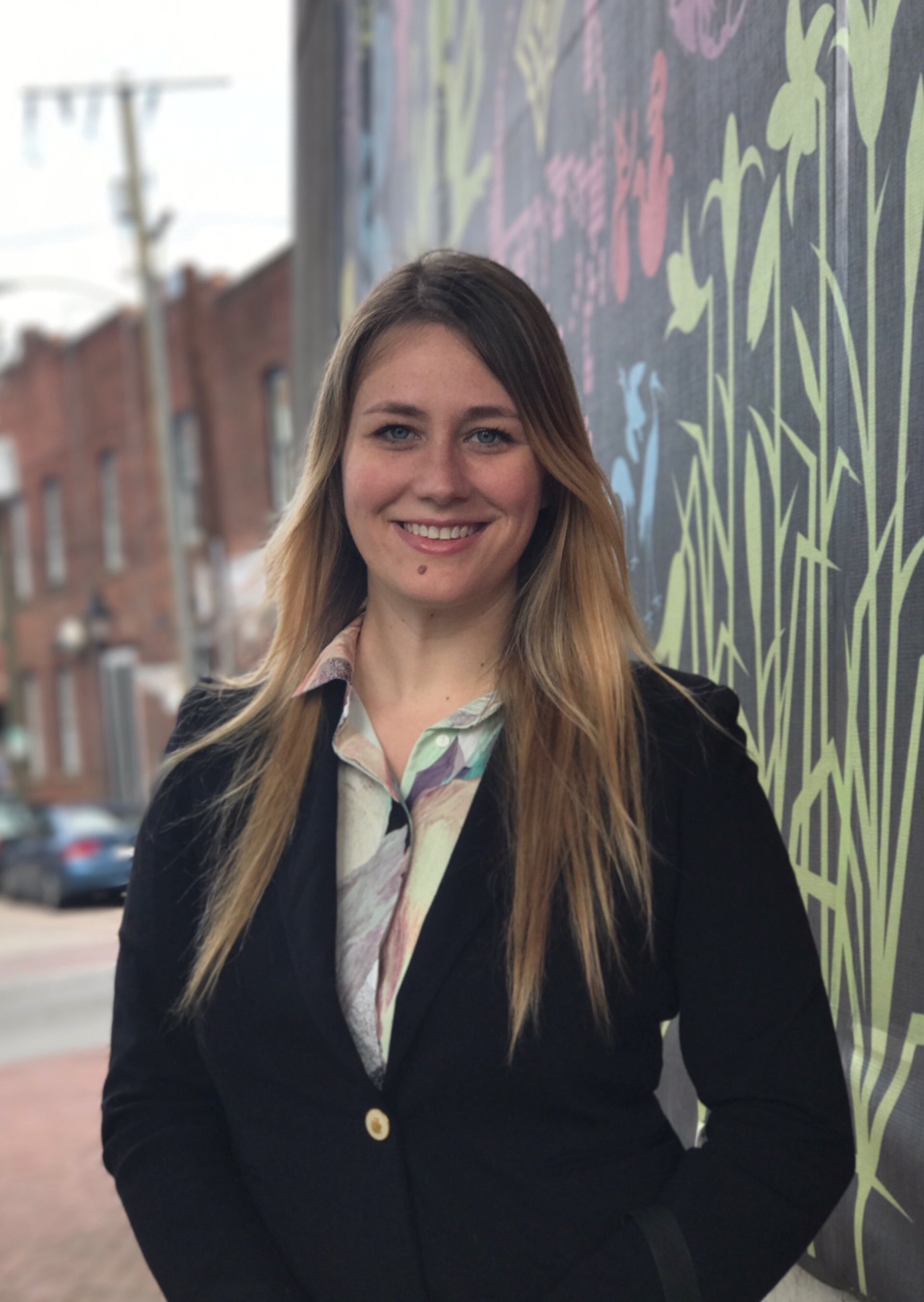
Nicole Nicksic, Ph.D., M.P.H., was a fellow in Massey's NCI-funded T32 postdoctoral training program in cancer prevention and control. Nicksic’s primary research interests are in tobacco prevention and control. She is particularly interested in electronic cigarette advertising and use behaviors among youth. She is currently working with Andrew Barnes and Thomas Eissenberg on projects related to determinants of youth tobacco behaviors amenable to federal and state tobacco regulations, as well as the influence of regulatory environments on youth tobacco use. Nicksic earned her B.S. in clinical laboratory science and sociology from the University of Wisconsin at Madison in 2008. She worked as a medical technologist in a hospital laboratory in Milwaukee, WI, before beginning her graduate studies in epidemiology at the University of Texas Health Science Center at the Austin campus to earn a M.P.H. in 2013 and Ph.D. in 2016.
Current status: Associate Director of Survey Research, West Virginia University
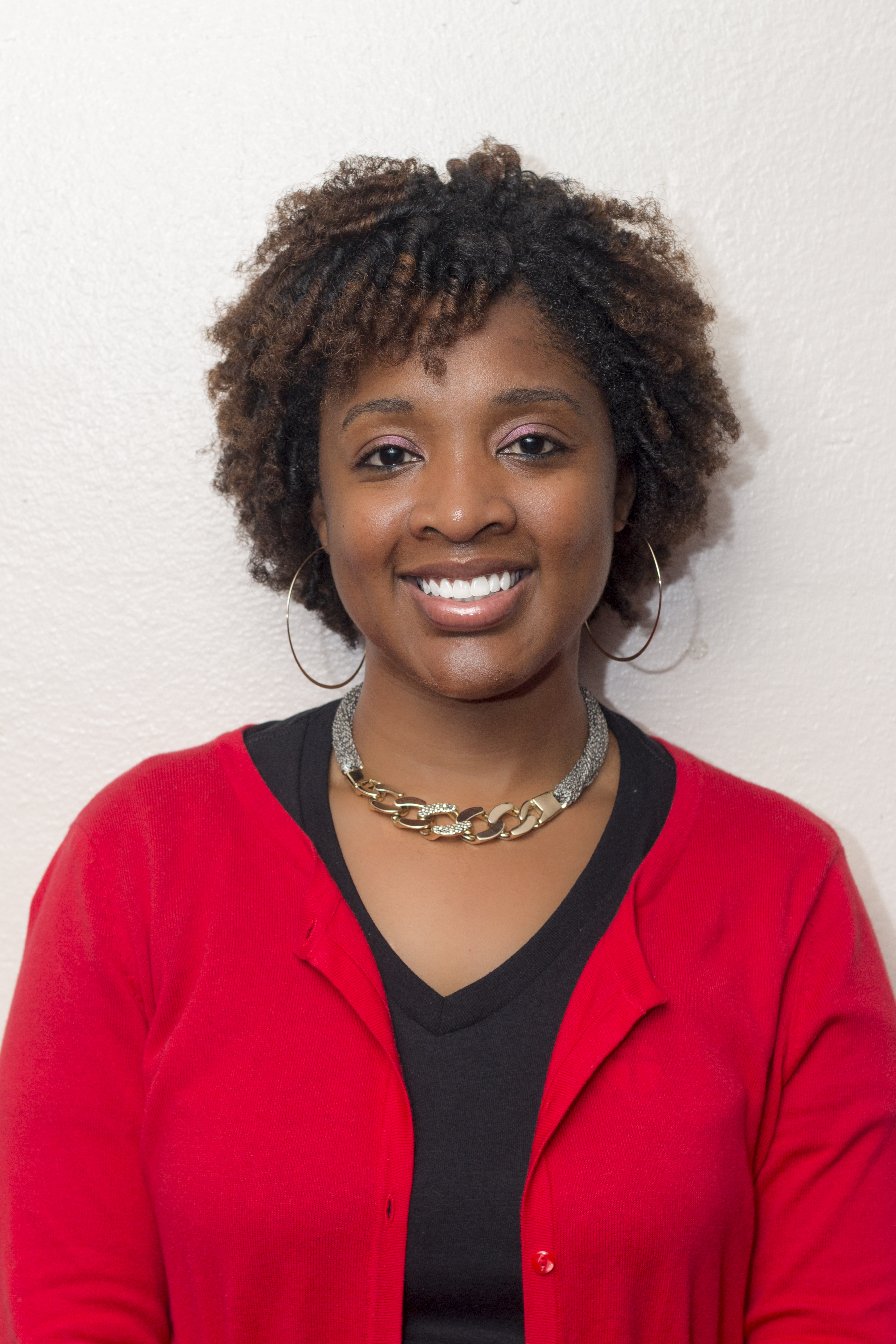
Arnethea L. Sutton, Ph.D., was a fellow in Massey's NCI-funded T32 postdoctoral training program in cancer prevention and control. Sutton's primary research interests were in cancer genetics, survivorship and community engaged-research. She was particularly interested in developing interventions that seek to improve the quality of life of Black cancer survivors. She worked with Vanessa B. Sheppard on projects related to endocrine therapy initiation and persistence in breast cancer survivors, genetic cancer risk assessment uptake in Black and Latina women, and male cancer survivors. Sutton received her bachelor's in clinical laboratory sciences from VCU in 2006, a master's in clinical laboratory sciences from VCU in 2006, and a doctorate in health-related sciences from VCU in 2017. She was recently awarded a prestigious K99/R00 award.
Current status: Assistant professor, Virginia Commonwealth University
 Joseph Boyle, Ph.D., was a postdoctoral fellow in the NCI-funded T32 Cancer Prevention and Control training program in the Department of Biostatistics at Massey. Dr. Boyle received his doctoral degree in biostatistics from the VCU School of Medicine.
.png) Bradley Krisanits, Ph.D., was a postdoctoral fellow in the NCI-Funded T32 Cancer Prevention and Control training program in the Department of Surgery. Dr. Krisanits received his Ph.D. in Biomedical Sciences at the Medical University of South Carolina (MUSC), where his dissertation focused on the effects of diet and physical activity on prostate cancer progression. He also obtained a Master in Biomedical Sciences at MUSC in 2017, investigating the impact of poor diet on pubertal mammary gland development and breast cancer risk. Prior to accepting a postdoctoral position at VCU, he worked in the private sector as Director of Scientific Operations and Development.
Bradley Krisanits, Ph.D., was a postdoctoral fellow in the NCI-Funded T32 Cancer Prevention and Control training program in the Department of Surgery. Dr. Krisanits received his Ph.D. in Biomedical Sciences at the Medical University of South Carolina (MUSC), where his dissertation focused on the effects of diet and physical activity on prostate cancer progression. He also obtained a Master in Biomedical Sciences at MUSC in 2017, investigating the impact of poor diet on pubertal mammary gland development and breast cancer risk. Prior to accepting a postdoctoral position at VCU, he worked in the private sector as Director of Scientific Operations and Development.
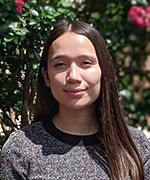 Kendall Fugate-Laus, M.S., was a predoctoral student in the CPC T32 training program in the Department of Psychology. Kendall received her M.S. in Psychology from VCU in 2023. Her thesis investigated intrapersonal and interpersonal factors associated with current tobacco use status among cancer survivors with a tobacco use history. As she pursues her doctoral degree in Clinical Psychology, she aims to continue contributing to this area of work through her dissertation, which will focus on examining proximal and distal predictors of tobacco use relapse among cancer patients and survivors.
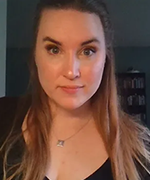
Alison Patev, Ph.D., was a postdoctoral fellow in the CPC T32 training program in the Department of Psychology. Dr. Patev received her Ph.D. in Health Psychology from VCU in 2021. Previously, she received her Master of Science degree in Experimental Psychology from Mississippi State University in 2015. She is also adjunct faculty in the Department of Psychology and teaches Introduction to Statistics, Experimental Methods and Social Psychology.
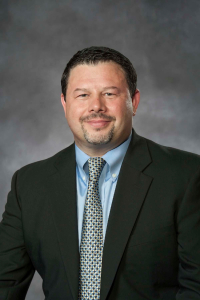 Bernard Fuemmeler, Ph.D., M.P.H.
Associate director, Population sciences
Professor, Family Medicine
School of Medicine
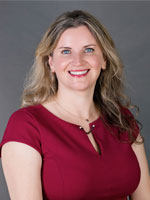
Oxana Palesh, M.P.H., Ph.D.
Professor, Psychiatry
School of Medicine
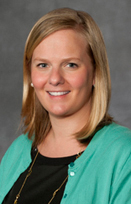
Melanie Bean, Ph.D.
Assistant professor, Pediatrics
School of Medicine
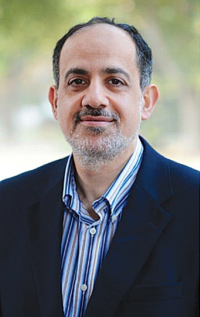
M. Imad Damaj, Ph.D.
Professor, Pharmacology and toxicology
School of Medicine
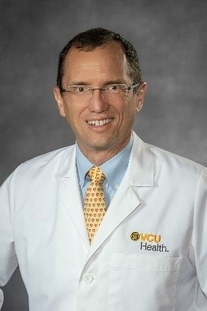
William Greg Hundley, M.D.
Professor, Internal medicine, Cardiology
School of Medicine
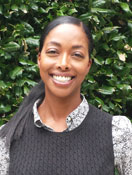
Mignonne Guy, Ph.D.
Assistant professor, Family Medicine
School of Medicine
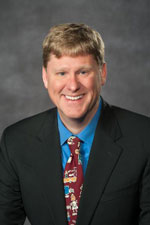
Alexander Krist, M.P.H., M.D.
Professor, Family medicine and population health
School of Medicine
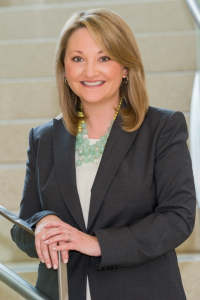
Jessica LaRose, Ph.D.
Professor, Social and behavioral sciences
School of Public Health
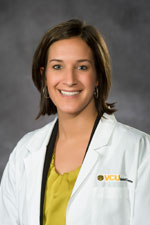
Ashlee Loughan, Ph.D.
Associate professor, Neurology
School of Medicine
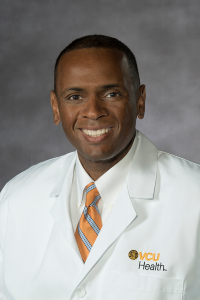
S. Patrick Nana-Sinkam, M.D.
Professor and Chair, Division of Pulmonary Disease and Critical Care Medicine, Internal Medicine
School of Medicine
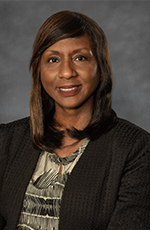 Vanessa Sheppard, Ph.D.
Professor, Social and behavioral sciences
School of Public Health
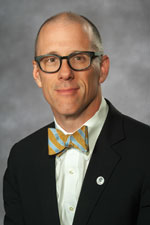
A. Gordon Smith, M.D., FAAN
Professor and chair, Neurology
School of Medicine
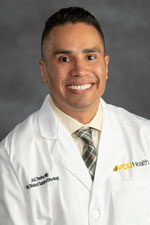
Jose Trevino, M.D.
Associate professor and chair, Division of Surgical Oncology
School of Medicine
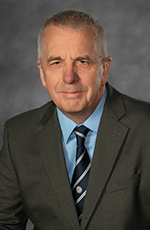 David Turner, Ph.D.
Associate professor, Surgery
School of Medicine
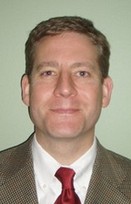
J. Brian Cassel, Ph.D.
Associate professor, Division of Hematology, Oncology and Palliative Care, Internal medicine
School of Medicine
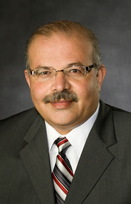
Bassam Dahman, M.S., Ph.D.
Associate professor, Health policy
School of Public Health
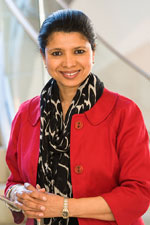
Maghboeba Mosavel, Ph.D.
Professor, Social and Behavioral sciences
School of Public Health
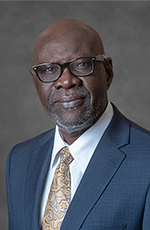 Emmanuel Taylor, MSc, Dr.Ph.
Professor, Health policy
School of Public Health