Latest News
Research & Innovation, Clinical Care, Community Engagement
Clinical trials: Shaping the standard of cancer care for the country
Feb 9, 2026
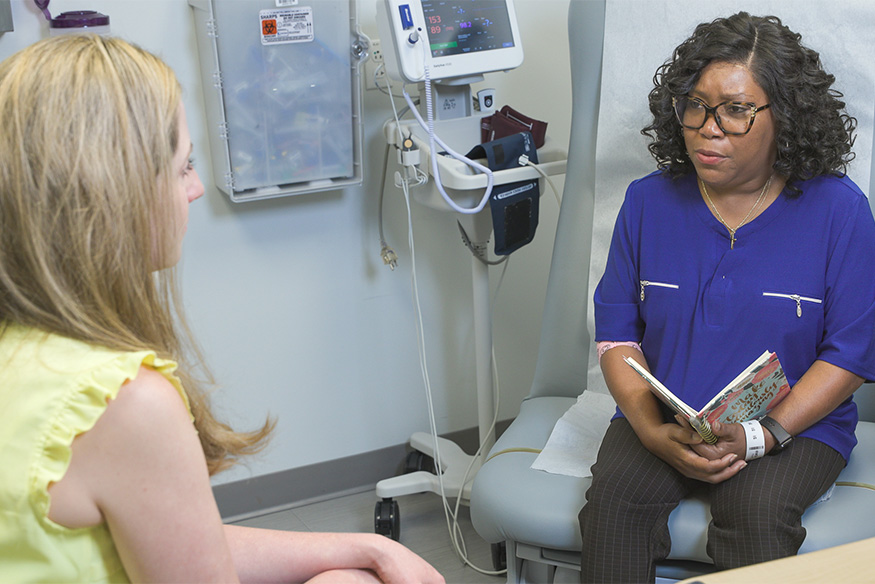 VCU Massey Comprehensive Cancer Center and VCU Health’s involvement in clinical trials has contributed to major medical advances in recent years.
At VCU Massey Comprehensive Cancer Center and VCU Health, clinical trials serve as the critical link between scientific discovery and patient care.
Because VCU Health is an academic health system, many physicians and specialists don’t only treat patients. They also conduct research — some of which can lead to new drugs, devices, or therapies that can improve or save lives. But for those treatments to ever reach patients, they must be thoroughly tested, which requires trials involving people.
“The ultimate goal of all of our research is to develop new treatments for disorders, and the way we do that is through clinical trials, because that’s how we test new treatments to make sure they are effective,” said F. Gerard Moeller, M.D., a VCU School of Medicine professor who directs the C. Kenneth and Dianne Wright Center for Clinical and Translational Research. “Clinical trials are the ultimate extension of translation from basic science to actually improving the health of the community.”
A distinct model at VCU Massey Comprehensive Cancer Center
Clinical trials are a key tool in the fight against cancer. The disease’s complexity and urgency make trials part of the treatment pathway, not an afterthought.
Massey leads one of the largest selections of cancer clinical research in Virginia. As one of only two National Cancer Institute (NCI)-designated Comprehensive Cancer Centers in the state and 57 nationwide, the designation enhances Massey’s ability to offer adult and pediatric patients access to hundreds of cancer treatment trials, in addition to studies that span from screening to survivorship. In 2025, Massey achieved record enrollment in treatment clinical trials in a single year, through more than 250 unique active treatment protocols that were available to cancer patients.
“Cancer, for many people, is a life-altering diagnosis,” said Keri R. Maher, DO, a hematologist and medical director of Massey’s Clinical Trials Office. “For some people, it’s a feeling of betrayal, as if your own cells have turned against you. That feeling sets a certain determination inside of many patients: They want to fight, and clinical trials are the way to get to that forefront of optimal care.”
Every medicine, surgical procedure and therapy used as a standard of care to treat cancer exists because they were first proven effective in clinical trials.
Cancer patients who participate in clinical trials receive first access to the latest, cutting-edge advancements that could become a new standard of care.
“That’s what’s different about clinical trials with cancer compared to other diseases, where trials aren’t seen as frontline care,” Maher said.
Many of Massey’s clinical trials stem from internally developed discoveries by VCU researchers and peer NCI institutions, in addition to pharmaceutical sponsorship in investigational drugs. Researchers study new molecules and compounds, or new uses for existing drugs. It participates in trials addressing all phases of the cancer spectrum: prevention, screening and treatment trials through survivorship.
The cancer center’s Clinical Trials Office includes specialized teams for operations, regulatory affairs, data management and investigator-initiated research support — a structure that allows staff to narrowly focus on specific trial functions. Massey integrates basic, translational and clinical scientists “to bring molecules from bench to bedside and back again,” Maher said.
Meeting patients where they are — in their communities
Massey also works to ensure access across the cities, counties and towns it serves in Virginia. Through its NCI Community Oncology Research Program (NCORP), the cancer center partners with community sites statewide so that patients can participate in trials closer to home.
“We use our NCORP network to extend research opportunities to patients across the state so that they don’t always have to come to downtown Richmond for clinical trial options,” said Michelle Liendo, MSHI, director of clinical research operations and management at Massey.
Getting a wide range of patients to participate in trials is essential.
“Different diseases tend to be more common and more deadly in different patient populations,” Moeller said. “It’s really important that we try new medications in those populations.”
Massey and VCU Health’s network includes hospitals in South Hill and Tappahannock, where the system is working to bring more rural patients into trials. Strides are being made in these regions, as the first-ever cancer clinical trial launched at VCU Health Tappahannock Hospital in late 2025.
The groundwork for clinical trial recruitment is often laid months – even years – in advance by building lasting relationships with community members. The Massey on the Move mobile unit is one of those outreach methods. It provides cancer screening, prevention education and information about clinical trials.
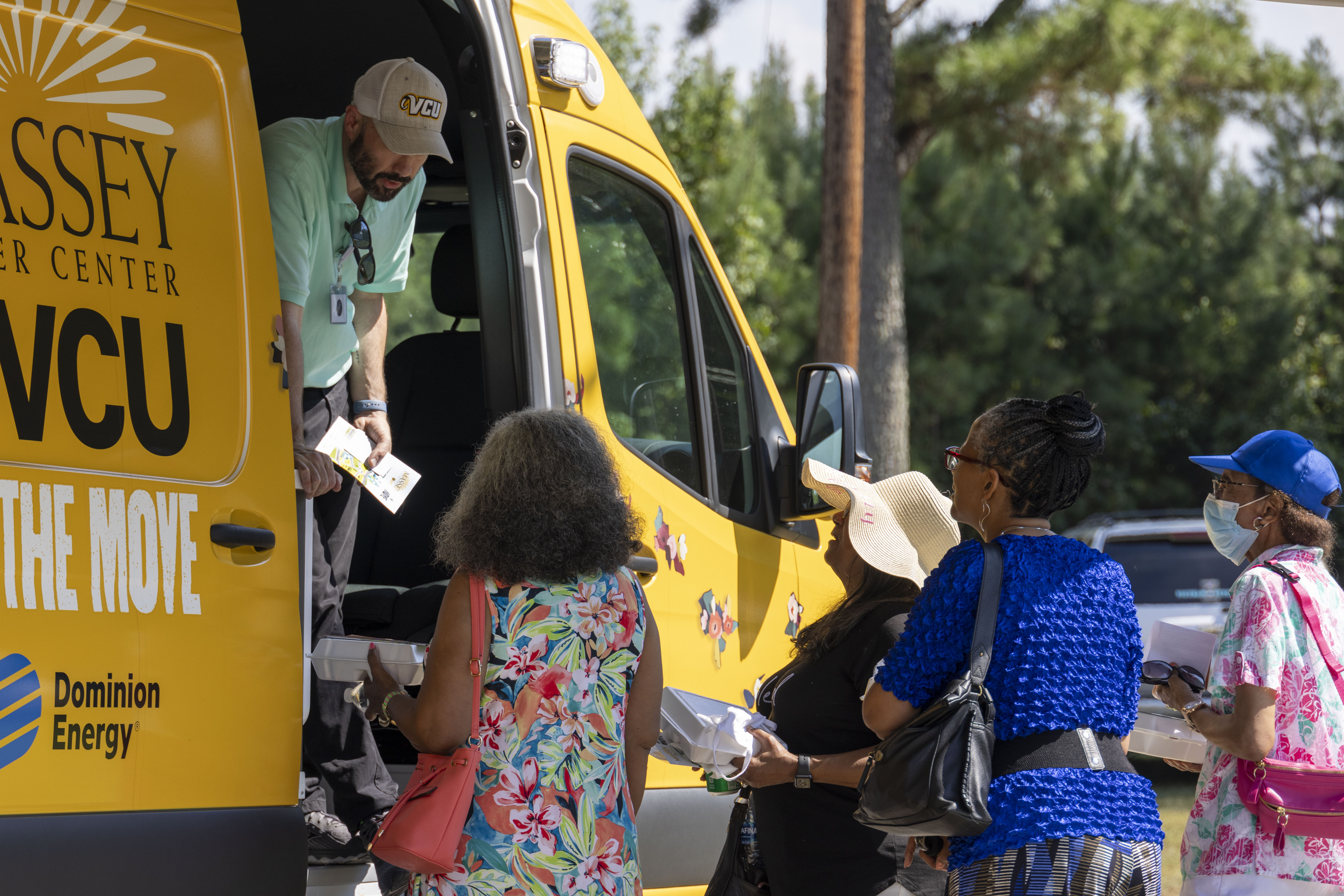 Massey on the Move is a community outreach program that provides members of the public access to cancer screening, educational resources about cancer prevention as well as information about clinical trials.
“What Massey does is really a perfect model for engaging the community and ensuring more diverse participation,” said S. Patrick Nana-Sinkam, M.D., a pulmonologist and the Linda Grandis Blatt Endowed Chair in Cancer Research at Massey, as well as associate vice president for clinical and translational research at VCU Health.
Given the population that Massey serves, when designing trials, there is an intentional focus to reduce access barriers for populations in need. “We’re focusing on community-informed trial designs to make sure access for all individuals is built-in from the start,” Liendo said.
It is also important to build trust with patients by educating people on new scientific research and the drug-approval process to counter misinformation.
“We need to prove to these communities that we are, in fact, trying to serve them and be good stewards of their care,” Nana-Sinkam said.
Recruitment also requires moving beyond traditional methods. “The older model of putting up a sign and waiting for patients is not effective anymore,” Nana-Sinkam added. “We have to meet patients where they are — in their communities, physically and mentally.”
A comprehensive process for selecting clinical trials
No trial begins without a comprehensive review. The process starts with a disease expert who evaluates whether the trial addresses a gap in care, followed by a resource review and then scrutiny by VCU’s Institutional Review Board — a team of faculty, students and staff representing both the Monroe Park and VCU Health Sciences (formerly MCV) campuses.
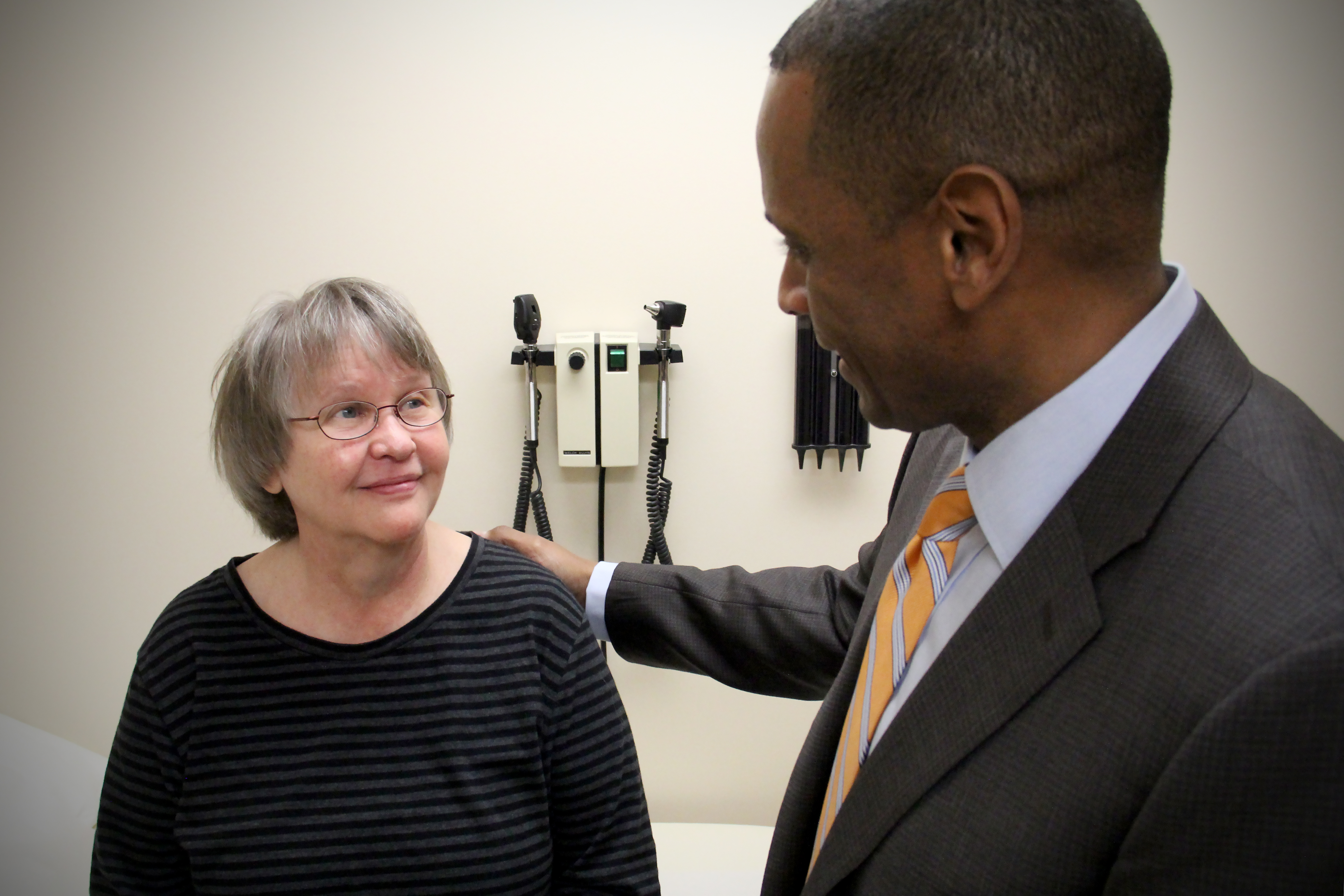 VCU Massey Comprehensive Cancer Center leads hundreds of clinical trials each year, increasing the center's visibility as a premier institution for patients.
“While you can never completely guarantee that a study is going to be safe, there’s input from many individuals on the university side and the health system side to try to ensure that a clinical trial can launch safely,” Nana-Sinkam said. “What you can do is ensure that patients understand what they are getting into and what the risks are. That’s important: informed consent.”
Even after approval, trials are tracked for safety, recruitment challenges and protocol compliance.
How patients benefit from clinical trials
Many patients turn to Massey with complex diagnoses.
“Those patients come to us seeking out the most advanced diagnostic, preventive and therapeutic interventions,” said Nana-Sinkam. “We can offer many of those with approved medications and procedures, but clinical trials allow us to offer additional promising interventions.”
Because the university-based health system serves such a robust patient population, pharmaceutical companies find the health system attractive for ensuring their drugs and therapeutic interventions reach people with a wide range of conditions, Nana-Sinkam said.
“Clinical trials increase our visibility as a destination for patients,” he said.
VCU has seen an 86% growth in sponsored research funding since 2018, including a $144 million increase on the health sciences campus and a $55 million increase on the Monroe Park Campus. The VCU Office of the Vice President for Research and Innovation reported more than $500 million in sponsored research funding at VCU for the first time in fiscal year 2025. That funding fuels the design, launch and scale of clinical trials.
Clinical trials contribute to the future of medicine
Massey’s involvement in clinical trials has contributed to major medical advances, which have changed outcomes for patients with all different kinds and stages of cancer.
“Clinical trials have truly changed the course of certain diseases,” Nana-Sinkam said.
Massey serves as the lead Virginia hub for the Vanguard Study, which is investigating a blood test for early detection of multiple cancer types and aims to enroll about 2,000 Virginians between the ages of 45 to 75 since it launched in July 2025.
Maher said Massey leads hundreds of clinical trials each year. These have, over time, set entirely new standards of care for cancer treatment, and even improved related areas such as early detection, survivorship, palliative care and cosmesis after radiation and surgery.
“We’re writing the standard of care for the country across many different cancer-related issues," she said.
Learn more about clinical trials at VCU Massey Comprehensive Cancer Center.
This was repurposed from an article originally published by VCU Health.
Written by: Jeff Kelley
Related News
Research & Innovation
Massey researchers lead international collaboration of first-ever, multi-platform digital atlas of oral tissuesMar 23, 2026
Research & Innovation, Clinical Care, Prevention
Colorectal Cancer Awareness Month: Q&A with Dr. Khalid MatinMar 18, 2026
Research & Innovation, Clinical Care
VCU Massey Comprehensive Cancer Center Introduces First-In-Market Brachytherapy Brain Tumor SurgeryMar 16, 2026

Get access to new, innovative care
Treatments in clinical trials may be more effective or have fewer side effects than the treatments that are currently available. With more than 200 studies for multiple types of cancers and cancer prevention, Massey supports a wide array of clinical trials.
Find a provider
Massey supports hundreds of top cancer specialists serving the needs of our patients. Massey’s medical team provides a wealth of expertise in cancer diagnosis, treatment, prevention and symptom management.