
Latest News
Research & Innovation
Massey researchers discover pathway to open new possibilities for glioblastoma treatment
Jul 29, 2026
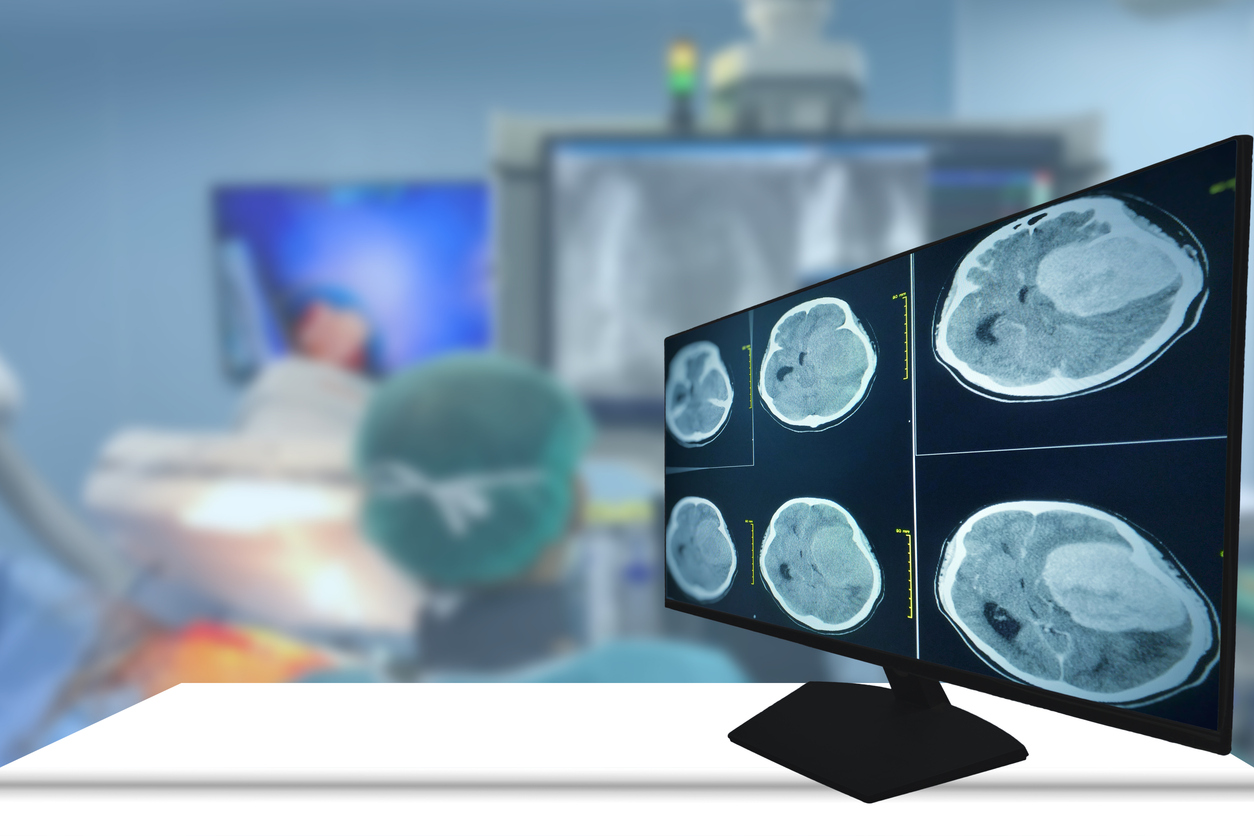
New research published in Neuro-Oncology gives a glimpse at promising discoveries that could help shape the future of glioblastoma treatment and patient outcomes.
A team of scientists from Virginia Commonwealth University, VCU Massey Comprehensive Cancer Center and the University of Texas MD Cancer Center uncovered a protein, TRNAU1AP, that plays an essential role in helping glioblastoma cells survive and multiply, along with a potential pathway to make these cancer cells more vulnerable to treatment.
About glioblastoma (GBM)
- The most aggressive type of brain tumor
- Difficult to treat because cancer stem cells keep the tumor growing and help it resist therapy
- The survival rate used to be less than one year. Now, the median survival rate is about 14 months despite advanced treatments like brachytherapy surgery and chemotherapy.
- Relies on selenoproteins—a class of proteins important to brain development and function—for tumor progression and survival
The research findings
Through analysis of GBM tumor samples and public datasets, the research team found that TRNAU1AP plays an important role in helping cancer stem cells survive and multiply, and patients with higher levels of this protein tend to have worse outcomes.
TRNAUA1AP works by forming tiny clusters inside cells that help produce selective selenoproteins. They also discovered that another protein, IGF2BP3, helps maintain high levels of TRNAU1AP in GBM tumor cells, which suggests that blocking the IGF2BP3-TRNAU1AP pathway could make GBM cells more vulnerable and receptive to treatment.
IGF2BP3 is an m6A reader protein that recognizes the “m6A” label and protects m6A-modified mRNAs from degradation. Functioning like a molecular label, m6A is a reversible chemical modification added to mRNA that influences its fate. In GBM, IGF2BP3 binds to m6A-modified TRNAU1AP mRNA, increasing its stability and allowing production of TRNAU1AP protein to continue, which promotes tumor growth.
“We think we could potentially target to kill this tumor,” said study author Suyun Huang, Ph.D., member of the Cancer Biology research program at Massey and professor in the Department of Cellular, Molecular, and Genetic Medicine at VCU School of Medicine. “If we have a way to inhibit these proteins, it could open up new pathways to treat this deadly disease.”
What’s next?
In future studies, Huang is interested in developing inhibitors of IGF2BP3 that are capable of penetrating the blood-brain barrier as a potential therapeutic strategy for GBM.
“A small-molecule inhibitor capable of entering the brain and disrupting IGF2BP3–RNA interactions could reduce the stability of these tumor-promoting transcripts and suppress glioblastoma growth,” said Huang.
Collaborators
- Additional VCU collaborators: Xiaowei Zhang, M.D., Li Li, Ph.D, Linlin Li, Ph.D., Shijun Yu, M.D., Ph.D., Taohui Ouyang, M.D., Xiao Han, Ph.D., Richard I Joh, Ph.D, and Huizhi Wang, Ph.D.
- Yiwen Chen, Ph.D., of MD Anderson Cancer Center
This research was funded by:
- Paul M. Corman, MD Chair in Cancer Research Endowment Fund
- National Center for Advancing Translational Sciences
- CCTR Endowment Fund of Virginia Commonwealth University
Related News
Research & Innovation
VCU Massey researchers receive $2.5M NIH grant to inform breast, pancreatic cancer careSep 9, 2026
Research & Innovation
Depression and stress drive long-term fatigue for breast cancer survivorsSep 3, 2026

Get access to new, innovative care
Treatments in clinical trials may be more effective or have fewer side effects than the treatments that are currently available. With more than 200 studies for multiple types of cancers and cancer prevention, Massey supports a wide array of clinical trials.

Find a provider
Massey supports hundreds of top cancer specialists serving the needs of our patients. Massey’s medical team provides a wealth of expertise in cancer diagnosis, treatment, prevention and symptom management.