Latest News
Research & Innovation, Clinical Care
Sarcoma & Bone Cancer Awareness Month: Signs, Symptoms and Treatment
Jul 31, 2026
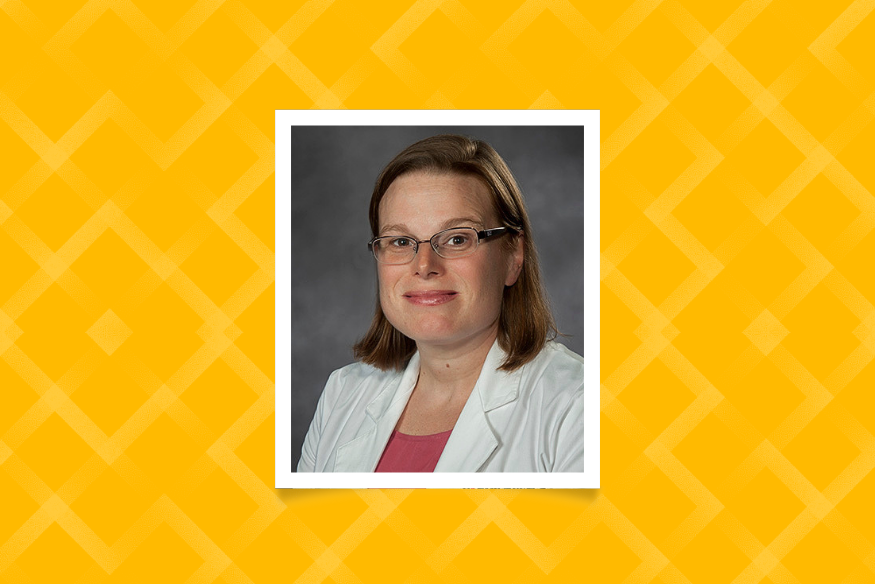
July is Sarcoma and Bone Cancer Awareness Month. To close the month, we spoke with Frances Austin, M.D., a pediatric oncologist at Children’s Hospital of Richmond at VCU, to learn more about the signs, symptoms, and treatment options for sarcomas and bone cancers.
How did you become interested in specializing in the treatment of sarcomas and bone cancers?
I first became interested in genetics and molecular biology in high school when I conducted research at the National Institute of Health as a summer student. In medical school, I became interested in pediatric oncology because it melded the worlds of genetics and pediatric patient care—and because I’m just a big kid at heart. I enjoyed research, but I wanted to be out there taking care of patients.
During my first year of fellowship, I encountered a young man who developed two sarcomas and had a family history of cancer. He had both a soft tissue sarcoma originating in his bladder and a pelvic sarcoma. The attending physician caring for him had performed genetic testing and identified a genetic mutation of unknown significance. My research project focused on investigating this variant by extracting RNA from his tumor. I discovered it was a splicing mutation resulting in truncation of the TP53 protein. This mutation was the culprit of his two cancers and his family’s malignancies.
That experience highlighted how I could blend my interests in genetic research and patient care. During my second and third years of my fellowship, I began exploring how to better support these patients, and a few years ago, I established a cancer predisposition clinic so patients can better collaborate with oncologists and surgeons at the same time.
What are the advantages of a patient receiving care at a multidisciplinary, comprehensive cancer center like Children’s Hospital of Richmond at VCU and at Massey?
Twice a month, our sarcoma and bone cancer oncologists, surgeons, and radiologists participate in a collaborative conference where we share knowledge, discuss cases, and review treatment protocols, which is really a wonderful benefit for patients receiving care here.
What are sarcomas and bone cancers? Can you explain the difference between them?
A sarcoma is a tumor that arises from connective tissues, such as muscle, bone, fat, cartilage, or blood vessels. Osteosarcomas are specifically tumors of the bone, where Ewing sarcomas are tumors of bone tissue.
How common are these cancers, and why is it important to raise awareness about them? How can they affect people's quality of life?
These cancers are extremely rare. If sarcomas are detected early, they are far more treatable than after they become metastatic. If a patient finds a small lump, it’s important to raise their concerns with a doctor as soon as possible.
What are the most common signs and symptoms that people should pay attention to? Are there any symptoms in pediatric bone cancer that might be different from an adult osteosarcoma?
Bone cancers present similarly in children and adults. A child may develop some gait abnormalities, difficulty walking, pain that is unusual for them, or a broken bone after minimal or no trauma. A clinician can also feel an irregularity or swelling around the painful area that suggests the presence of a tumor. Certain sarcomas can cause additional symptoms. For example, Ewing sarcomas can present with some fevers and swelling, whereas rhabdomyosarcoma can cause additional swelling in the affected muscle.
Who is most at risk of developing sarcomas or bone cancers? Are there known genetic or hereditary risk factors?
Family history is very important, as there are hundreds of genetic mutations that have been associated with sarcomas. For example, Li-Fraumeni syndrome, an inherited genetic disorder caused by a mutation in the TP53 gene, increases the risk of developing several sarcomas, including rhabdomyosarcomas and osteosarcomas.
Are these mutations screened for routinely?
No, these mutations typically are not screened for unless there’s a family history of an inherited cancer predisposition or genetic disorder. At our cancer predisposition clinic, we dive into a patient’s family history of cancer to better understand how a patient’s specific family history of cancer can increase an individual’s risk. In general, routine screening for sarcomas and bone cancers is not currently available for the general population. Anyone with concerns should speak with their doctor for an appropriate evaluation.
Are there lifestyle or environmental factors that may increase risk? Are there any known ways to reduce the risk?
Yes, exposure to radiation and certain chemicals increases the risk of developing tumors. Osteosarcomas have a bimodal age distribution, meaning they most often occur during periods of rapid growth in adolescence, with a second peak occurring among older adults. In older individuals, prior radiation and environmental exposure may contribute to the risk of sarcomas and bone cancers.
What are the biggest challenges in diagnosing and treating sarcomas and bone cancers?
The biggest challenge is awareness. Because sarcomas and bone cancers are so rare, it’s incredibly important to pay attention to your body and recognize new lumps, unusual pain, or other symptoms that are out of the ordinary. Patients should feel empowered to advocate for themselves, and providers should take patient concerns seriously and pursue diagnostic testing and scans when warranted.
I always tell my patients that there is no such thing as a ‘stupid question’—only a question that is left unanswered. As providers, we are here to answer questions and address concerns, whether in person or over the phone. Our goal is to support patients, help them navigate difficult decisions, and advocate for additional testing when needed.
What treatment options are available for patients diagnosed with sarcomas and bone cancers?
It depends on the sarcoma, which is why Massey’s multidisciplinary approach to treating bone cancers and sarcomas is so important—patients come to one center for comprehensive care. Diagnosis typically begins with a biopsy performed by a pediatric surgeon. Treatment plans can vary depending on the size, type, and location of the tumor. Osteosarcoma is generally treated with chemotherapy and surgery, whereas rhabdomyosarcoma and other soft tissue sarcomas may require a combination of radiation, chemotherapy and surgery.
Are there any common side effects a patient might experience?
Patients can experience a wide range of symptoms depending on the tumor’s location and the treatment required. At Massey, patients and their families have access to an extensive support network, including at-home nursing, childcare, supportive care, and nutritional resources that can make a huge difference in supporting children and their families throughout treatment.
Are there any sarcoma and bone-cancer related clinical trials currently available at Massey? Why should patients consider participating in a clinical trial?
AOST2031 is an ongoing clinical trial comparing open thoracic surgery with minimally invasive thoracoscopic surgery for removing pulmonary nodules in patients with metastatic osteosarcoma. Another ongoing trial, AOST2032, is investigating whether adding cabozantinib to standard chemotherapy improves outcomes for patients with local and metastatic osteosarcomas.
Because these tumors are so rare, collaboration among providers across the country and around the world is important. By working together, we can gather the best information possible and provide patients with the highest level of support.
What gives you the most hope about the future of sarcoma and bone cancer care?
Genetic research in oncology, particularly in sarcomas, has opened an exciting new world of targeted therapies. Infantile fibrosarcoma, a sarcoma that affects infants, was historically very difficult to treat due to the lack of known chemotherapy treatments that could stop tumor progression. Up until about 10 years ago, treatment plans for this type of sarcoma often required amputation of the infant’s affected limb where the tumor was located. Researchers discovered the genetic alteration driving this disease, creating an opportunity for new targeted drug therapies. For example, Larotrectinib is an oral medication that can shrink these tumors without the need for amputation, which is amazing. I’m very hopeful that we’ll find more of these genetic signatures and develop more targeted drugs for these types of tumors in the future.
Written by: Nicole Gadda
Related News
Clinical Care, Patient Stories
Riley’s vibrant smile and humongous hugs leave a lasting impressionSep 16, 2026
Research & Innovation
VCU Massey researchers receive $2.5M NIH grant to inform breast, pancreatic cancer careSep 9, 2026

Get access to new, innovative care
Treatments in clinical trials may be more effective or have fewer side effects than the treatments that are currently available. With more than 200 studies for multiple types of cancers and cancer prevention, Massey supports a wide array of clinical trials.
Find a provider
Massey supports hundreds of top cancer specialists serving the needs of our patients. Massey’s medical team provides a wealth of expertise in cancer diagnosis, treatment, prevention and symptom management.