
Latest News
Research & Innovation
Targeting MDA-9 restrains head and neck tumor growth and eliminates therapy resistance
Aug 5, 2026
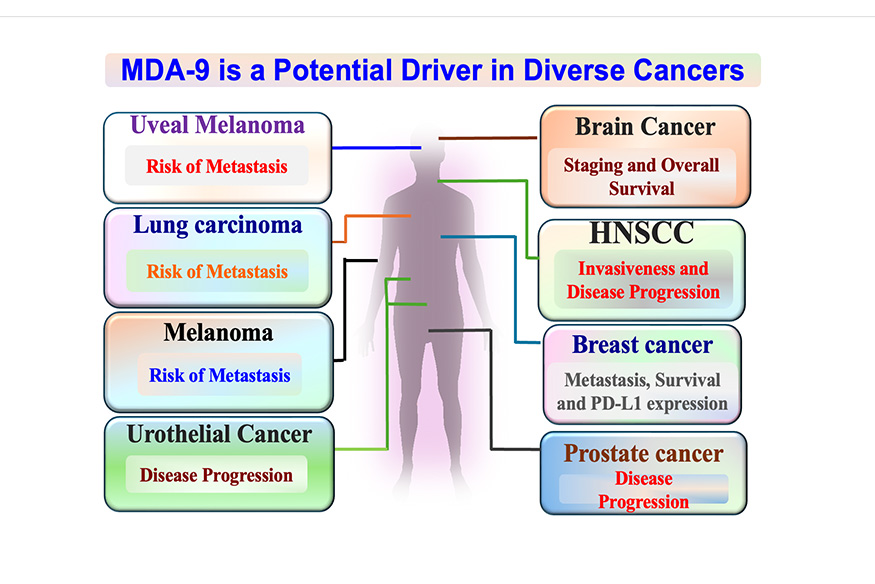
Chemotherapy remains a cornerstone of treatment for head and neck cancers, the seventh-most common cancer type worldwide. However, the disease is often diagnosed at a late stage once it has already spread to other organs, and the majority of patients on active treatment will develop resistance to chemotherapy within a matter of months, underscoring a prominent avenue for designing more effective care strategies.
New collaborative research from multiple departments at VCU — including VCU Massey Comprehensive Cancer Center, VCU Institute of Molecular Medicine (VIMM), VCU Center for Drug Discovery, the VCU Department of Medicinal Chemistry and the VCU Department of Cellular, Molecular and Genetic Medicine—points to a specific multifunctional protein, MDA-9, as a significant driver of head and neck tumors and a mediator of drug resistance. The findings of this study suggest that a new small molecule inhibitor, IVMT-Rx-4, could open the door for enhanced targeted treatment options for head and neck squamous cell carcinoma (HNSCC).
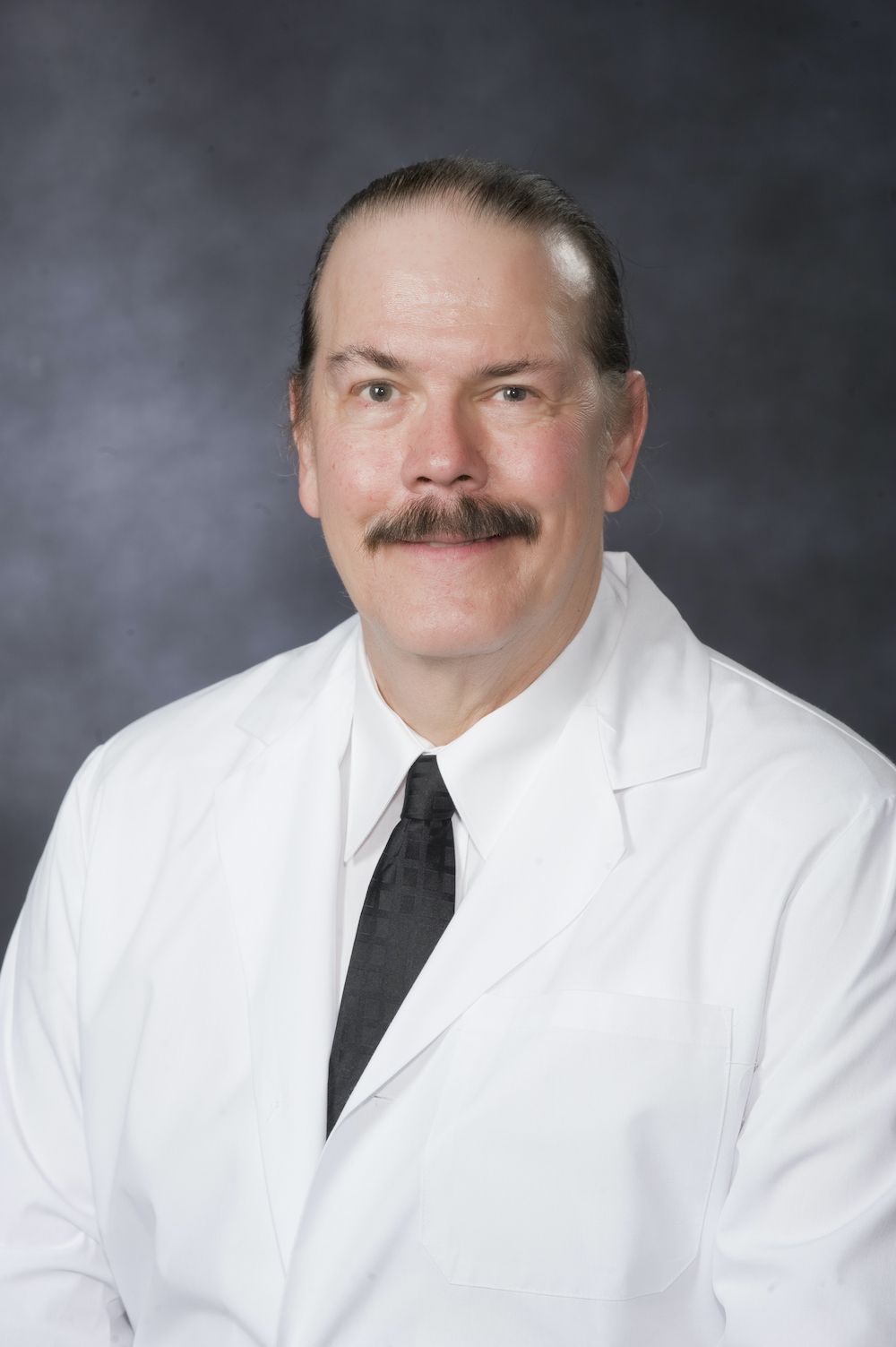 Pictured: Paul B. Fisher, M.Ph, Ph.D.
“Our study provides new insights into the genetic regulation of HNSCC, identifies a novel direct drug target and establishes an innovative drug as a promising chemical probe that may inform the development of more effective cancer therapeutics,” said study senior author Paul B. Fisher, MPh, Ph.D., FNAI, the Thelma Newmeyer Corman Endowed Chair in Cancer Research at VCU Massey and the founding and current director of the VIMM.
About head and neck cancer
- Includes cancers in the throat, mouth, nose, sinuses, etc.
- Approximately 90% of head and neck cancers are squamous cell carcinoma (HNSCC)
- Most often detected at an advanced stage of disease; often spreads to the bone
- One of the deadliest global cancers
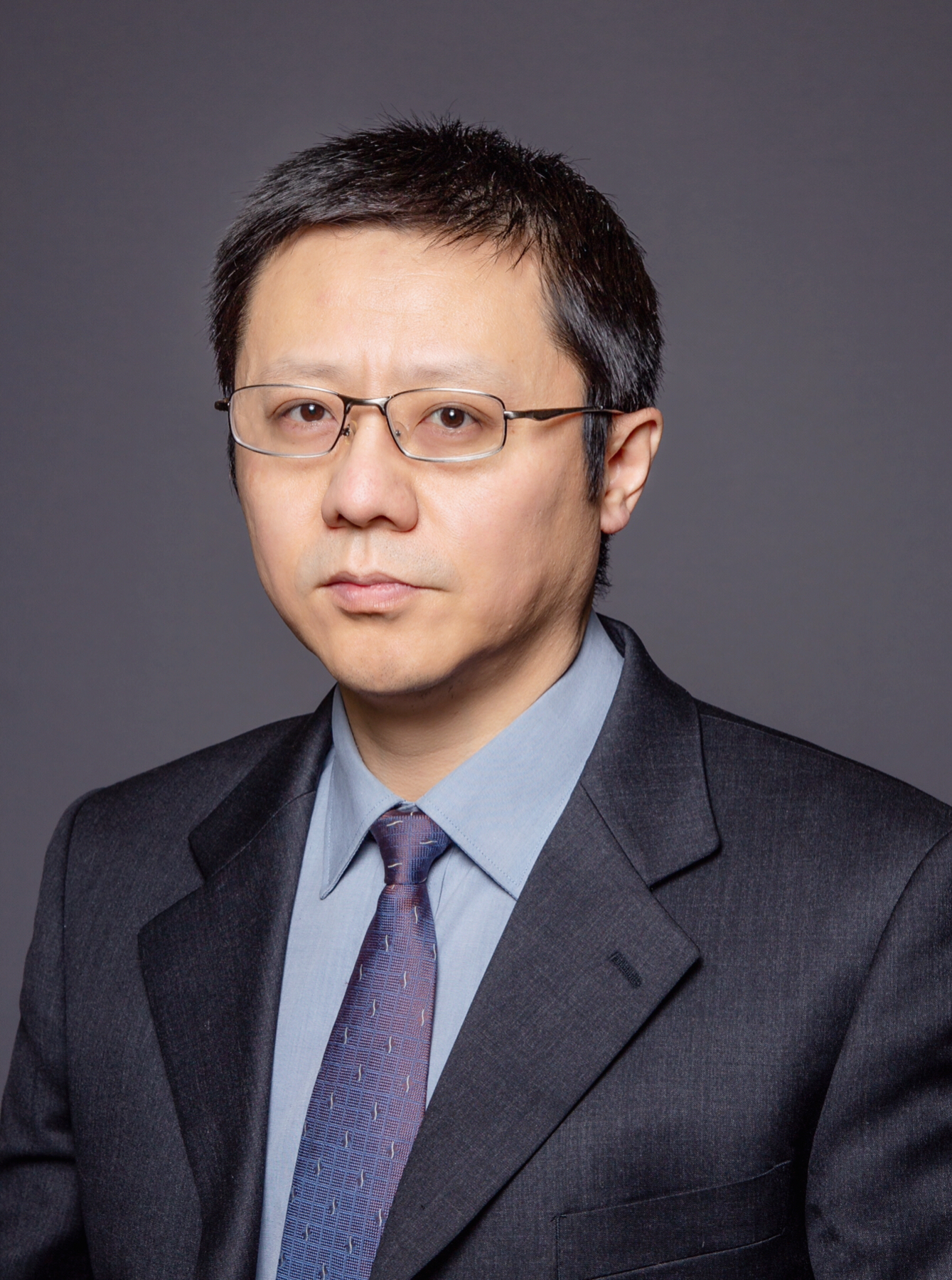 Pictured: Jiong Li, Ph.D.
“Once head and neck cancer metastasis occurs, it becomes extremely difficult to manage,” said study co-corresponding author Jiong Li, Ph.D., member of the Cancer Biology research program at VCU Massey, a member of the VIMM and the Center for Drug Discovery, and associate professor of medicinal chemistry at the VCU School of Pharmacy. “There is an urgent need for approaches to both prevent and effectively treat head and neck cancer, as well as overcome resistance.”
Pictured: Jiong Li, Ph.D.
“Once head and neck cancer metastasis occurs, it becomes extremely difficult to manage,” said study co-corresponding author Jiong Li, Ph.D., member of the Cancer Biology research program at VCU Massey, a member of the VIMM and the Center for Drug Discovery, and associate professor of medicinal chemistry at the VCU School of Pharmacy. “There is an urgent need for approaches to both prevent and effectively treat head and neck cancer, as well as overcome resistance.”
What is MDA-9?
Melanoma differentiation associated gene-9 (MDA-9/Syntenin) is a scaffold (bridging) protein commonly expressed in multiple organs that drives the growth and spread of tumors, including HNSCC, to the lungs, bones, and liver. It also supports resistance to chemotherapy.
Previous work by Fisher and his team was the first to successfully clone MDA-9/Syntenin and uncover it as a promising pro-metastatic target for innovative cancer therapies, including other encouraging implications for prostate, brain, breast and liver cancer. As now shown in HNSCC, MDA-9 is a critical regulator of prostate cancer bone metastasis.
“MDA-9 is a unique, interesting and relevant gene in that it is integral in all the key steps in metastasis that allow a cell to go from a primary tumor to invade and survive in the bloodstream,” said Fisher, who is also a professor in the Department of Cellular, Molecular and Genetic Medicine at the VCU School of Medicine.
MDA-9 is also a major contributor to the attachment of metastatic tumor cells at secondary sites in the body, production of new blood vessels (angiogenesis) essential for survival and growth of primary tumors and micro-metasases, and regulation of immune resistance of cancer cells by promoting a “cold” immunologically suppressed tumor microenvironment.
MDA-9 is not essential for the survival of normal or cancer cells. A finding from this research suggested inhibiting this protein might not display toxicity in animal models. This possibility has been confirmed by generating models without MDA-9, which showed no overt physiological defects but did display resistance to metastasis.
The research findings
The research team found that a small molecule drug called IVMT-Rx-4 selectively blocks the function of the MDA-9/Syntenin protein, limiting—in some cases completely preventing—the spread of HNSCC in preclinical cancer models, with no observed toxicity. They found a percentage of the models were tumor-free after being treated with IVMT-Rx-4.
This significant inhibition is achieved, in part, by interfering with the interaction between MDA-9/Syntenin and its partner proteins that are essential for its oncogenic functions. The team has demonstrated that MDA-9/Syntenin plays an essential role in maintaining cancer stem cells’ function in HNSCC. Cancer stem cells are the root cells that drive the growth of cancers and may be a primary mediator of cancer cell resistance to therapy, including radiation, chemotherapy and immunotherapy.
For example, with weeds, if one only destroys the leaves that are above ground, but doesn’t remove the roots from the soil, the weeds will continue to grow back. This concept can be translated for cancer stem cells.
The team demonstrated that IVMT-Rx-4 can effectively target and eradicate cancer stem cells in HNSCC. Currently, there are no FDA-approved therapies that entirely eliminate cancer stem cells.
“Most evidence suggests that you could get rid of 99% of cancer cells, and that if only a small number of cells—those cancer stem cells—live and exist, then even 20 years after, the cancer could return,” Fisher and Li said. “If we can effectively get rid of those for good, that’s really the holy grail in cancer treatment.”
By targeting cancer stem cells using IVMT-Rx-4, the team effectively prevented the formation of new HNSCC cells and overcame resistance to chemotherapy. The transcription factor BMI1 is a functional cancer stem cell marker in HNSCC cells, and they found that IVMT-Rx-4 effectively suppresses it.
Further, the experimental evidence also suggests that IVMT-Rx-4 can reverse the properties of a cell that has already become resistant to chemotherapy. This is key in developing therapies for advanced cancers that have become resistant. In the case of HNSCC, cisplatin resistance is a major impediment to therapy, and the present studies indicate that IVMT-Rx-4 can block increases in cisplatin-resistant stem cells.
What is IVMT-Rx-4?
Fisher previously received grant funding from the National Cancer Institute to evaluate the efficacy of a drug called PDZ1i, developed in-house at the VIMM, to target and block MDA-9/Syntenin functions. IVMT-Rx-4 is an intermediate synthesis product of PDZ1i, analogous to a molecular building block on the way to fully becoming PDZ1i. IVMT-Rx-4 demonstrates improved therapeutic properties in comparison to unmodified PDZ1i, including an increased ability to dissolve in water, lower efflux, enhanced sensitivity and no associated toxicity.
IVMT-Rx-4 is developed by InVaMet Therapeutics (IVMT), a company co-founded by Fisher. Like the current study, IVMT-Rx-4 alone and with standard-of-care chemotherapy can inhibit prostate cancer bone metastasis, as well as halt the spread of other cancers to the lung, liver and brain.
As predicted, IVMT-Rx-4 did not display toxic effects in animals and showed good drug-like properties.
What’s next?
Based on the results obtained so far, IVMT-RX-4 appears primed for further development, with the potential to be advanced into the clinic to treat aggressive and therapy-resistant cancers.
The collaborative team, including Qingguo Xu, Ph.D., of the VCU School of Pharmacy, is also exploring avenues for IVMT-Rx-4 to be taken as an oral medication.
“The ultimate hope is that this approach will increase survival, and, with advanced refinement, could actually lead to a method where the cancer will not recur,” Li said. “This long-term goal would be a real beneficial outcome for HNSCC patients.”
Collaborators
- Massey and VIMM research member: Swadesh K. Das, Ph.D.
- Additional VCU collaborators: Grace J. Rilee, Shadid U. Zaman, Ph.D., Rosalie G. Hoyle, Ph.D., Zhikun Ma and Kanakaraju Manupati, Ph.D.
- Manny D. Bacolod, Ph.D., of Cornell University
- Anne M. Brown, Ph.D., and Marion Q. LoPresti of Virginia Tech
This research was funded by:
- American Cancer Society
- HMG Developmental Funds
- InVaMet Therapeutics, Inc.
- National Center for Advancing Translational Sciences
- National Institute of Dental and Craniofacial Research
- National Institutes of Health
- The V Foundation for Cancer Research
- VCU Breakthroughs Fund
- VCU Massey Comprehensive Cancer Center
- VIMM Developmental Funds
Written by: Blake Belden
Related News
Research & Innovation
VCU Massey researchers receive $2.5M NIH grant to inform breast, pancreatic cancer careSep 9, 2026
Research & Innovation
Depression and stress drive long-term fatigue for breast cancer survivorsSep 3, 2026

Get access to new, innovative care
Treatments in clinical trials may be more effective or have fewer side effects than the treatments that are currently available. With more than 200 studies for multiple types of cancers and cancer prevention, Massey supports a wide array of clinical trials.

Find a provider
Massey supports hundreds of top cancer specialists serving the needs of our patients. Massey’s medical team provides a wealth of expertise in cancer diagnosis, treatment, prevention and symptom management.