Latest News
Prevention
Exercise and cancer - Thriving, not just surviving
Aug 6, 2026
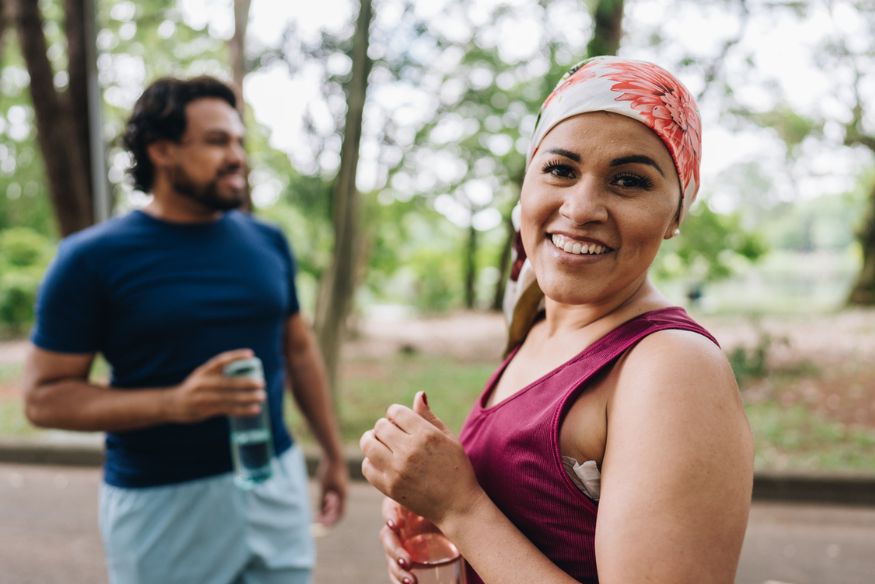
Exercise is an essential aspect of a healthy lifestyle for everyone, but it is particularly important for cancer survivors to enhance their holistic health and well-being. To ensure a balanced and strong quality of life during and following treatment, cancer survivors should incorporate exercise into their daily routine that best suits their individual needs and goals.
The Benefits
Following treatment, cancer patients and survivors are often plagued by chronic fatigue and brain fog, among other lingering side effects. There is substantial clinical evidence that regular physical activity helps with those symptoms and more.
“Regular exercise improves mood, maintains strength and physical function,” said Sonja Hegeman, AGACNP, nurse practitioner and assistant director of the Cancer Survivorship program at VCU Massey Comprehensive Cancer Center. “Often, it can actually help improve treatment tolerance. So if you are going through a course of therapy, it’s really important to keep up with some physical exercises.”
There is also data that shows exercise can reduce the risk of cancer recurrence or death by as much as 28%. Staying active is particularly beneficial when it comes to lowering the risk of developing certain types of solid tumor cancers, such as colon, breast, prostate and lung cancer.
Another benefit of regular physical activity is improved cardiovascular health, which is especially important since many cancer treatments are cardiotoxic, often resulting in heart damage.
Proper Exercise Post-Treatment
To ensure a well-rounded exercise regimen, it’s essential to incorporate many different types of activity into a weekly fitness routine.
The National Comprehensive Cancer Network recommends:
- Aerobic exercise - Anything that gets your heart rate up, such as brisk walking, cycling or swimming for at least 150 minutes per week. If you’re able to do more vigorous exercise, the goal is at least 75 minutes per week.
- Strength training - Performing exercises that involve weight or resistance in some form at least two to three times per week.
- Stretching - Flexibility exercises and stretching the major muscle groups is recommended at least twice a week.
- Reducing sit time - Take regular movement breaks through the day
Modifications
Due to common side effects of cancer treatment, it may be necessary for some patients and survivors to modify their exercise routine based on their current abilities.
Many cancer survivors who went through treatment for breast cancer can develop lymphedema, which causes painful swelling in the arms or legs. In these cases, it’s important to start out slowly, use light weights for any strength training, and gradually increase the intensity of workout sessions. For people with lymphedema, it’s also important to wear compression garments on the affected limbs.
Those experiencing peripheral neuropathy, which is numbness or tingling in the hands and feet, should also take special care when starting an exercise routine post-treatment.
“It's really important to work on balance skills,” said Hegeman. “Consider starting off with a stationary bike, water aerobics or yoga. You can have some gait imbalances, so you want to do things that at least won't cause you to fall. Protective footwear is really important to prevent any shin injuries. If you’re using dumbbells, having soft rubber grips or padded gloves on the hands that are affected is very important. Using weight machines instead of free weights can also be useful if your grip strength has been affected.”
People who have developed any cardiac side effects following treatment should consult with their cardiologist and get medical clearance before exercising.
Local Resources
For those in the Richmond area, there are several resources available for those looking to start a fitness regimen at local gyms and through Massey.
Massey resources include:
Patients who have undergone treatment at Massey are encouraged to reach out to Massey’s Integrative Health program if they have any questions about starting or resuming an existing workout program.
Written by: Tatiana Del Valle
Related News
Clinical Care, Prevention , Patient Stories
Cancer care in Southside Virginia: Alan Veeck’s prostate cancer journeySep 21, 2026
Community Engagement, Prevention
Trials of Color Receives CRC Health Equity Grant from the Global Colon Cancer AssociationAug 12, 2026
Research & Innovation, Clinical Care, Community Engagement, Prevention , Patient Stories , Giving, Leadership
VCU Massey Comprehensive Cancer Center Releases 2025 Annual ReportAug 11, 2026

Get access to new, innovative care
Treatments in clinical trials may be more effective or have fewer side effects than the treatments that are currently available. With more than 200 studies for multiple types of cancers and cancer prevention, Massey supports a wide array of clinical trials.
Find a provider
Massey supports hundreds of top cancer specialists serving the needs of our patients. Massey’s medical team provides a wealth of expertise in cancer diagnosis, treatment, prevention and symptom management.