Latest News
Clinical Care, Prevention
Melanoma & Skin Cancer Awareness Month: Protecting and treating the largest organ
May 28, 2026
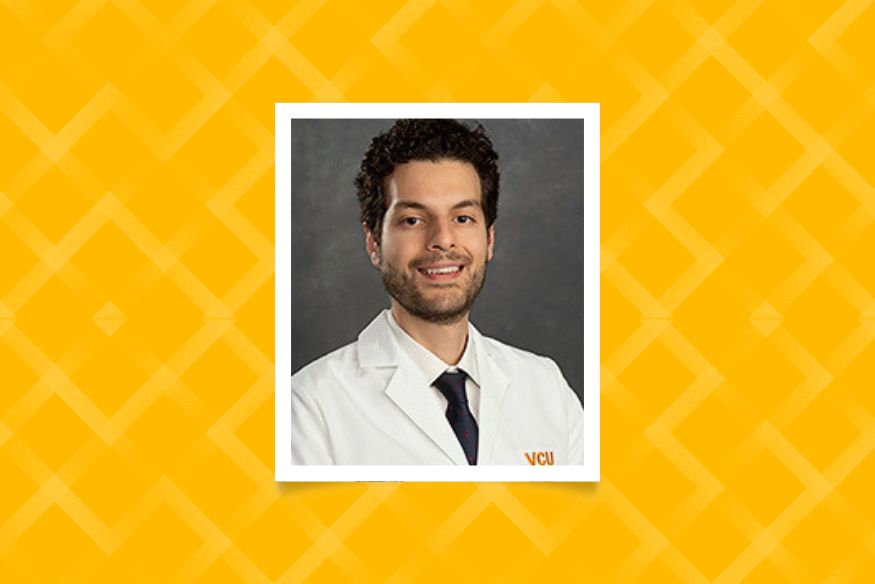 Mohammed Dany, M.D., Ph.D.
May is Melanoma and Skin Cancer Awareness Month. According to the American Association for Cancer Research, more than six million people are diagnosed with skin cancer every year. While skin cancer is often highly treatable, survival outcomes largely depend on the timing of the diagnosis, the specific type of skin cancer and other individual health factors.
We spoke with Mohammed Dany, M.D., Ph.D., a cutaneous oncologist at VCU Massey Comprehensive Cancer Center, to learn more about the basics of melanoma and skin cancer awareness.
What do you do and what brought you to Massey?
I am the director of Mohs and dermatologic surgery at VCU Health. As a Mohs micrographic surgeon, I specialize in performing skin cancer surgery in a margin-controlled fashion. I primarily operate on tumors in sensitive areas of the body, such as the face, ears, hands, feet and genitals. Once tumors are removed, I perform reconstruction to return the affected area back to its original appearance.
In addition to Mohs surgery, I work as a cutaneous oncologist, so I treat patients with rare tumor types as well. Massey was the first place I arrived after completing my fellowship at New York University.
What is melanoma and how does it differ from other skin cancers?
Melanoma is a unique entity on its own due to its lethality. Skin cancers range in severity. Melanoma is on the urgent side of the spectrum and needs to be treated immediately. If not treated, it can deteriorate your health quickly.
Other common skin cancers are squamous cell carcinoma and basal cell carcinoma. Basal cell carcinoma is the most common cancer in the world. These are not as urgent as melanomas. Squamous cell carcinoma kills more people per year than melanoma due to the sheer volume of cases per year. Squamous cell carcinoma can still be dangerous, but it’s typically not as severe as melanoma.
What are the most common risk factors?
The sun causes skin cancer, but that doesn’t mean you should be a recluse from the sun. Practice sun-safety to protect yourself. Wear a sun hat, UPF clothing and sunscreen, and seek shade when the UV index is high.
Our immune system grows weaker as we grow older. When we’re young, the immune system acts as the protector of the skin. When we hit age 50, our immune system is not as strong. So instead of protecting us against 100% of abnormal cells before they become tumors, the body becomes less efficient at identifying and destroying these cells. Because of this weakened protection, older people have higher rates of skin cancer.
People who are on drugs that suppress their immune systems also have more risk of skin cancer. Another population with higher incidence is those who have organ transplants. Other factors can include viruses, such as human papillomavirus (HPV). If the HPV causes warts that remain on the skin for a long time, these growths can become cancerous.
Certain drugs can also put people at higher risk for developing skin cancer. Some inflammatory diseases can cause chronic wounds that can lead to skin cancer.
Genetics can also play a role. Some people have cancer genetic syndromes which put them at a higher risk for developing skin cancer.
What are the symptoms of melanoma and skin cancer?
When in doubt, ask questions and seek advice. Keep an eye on any new bump, lesion or mole after the age of 30, and anything that is changing or looks odd. The sooner we can catch melanoma and skin cancer, the better the outcome will be.
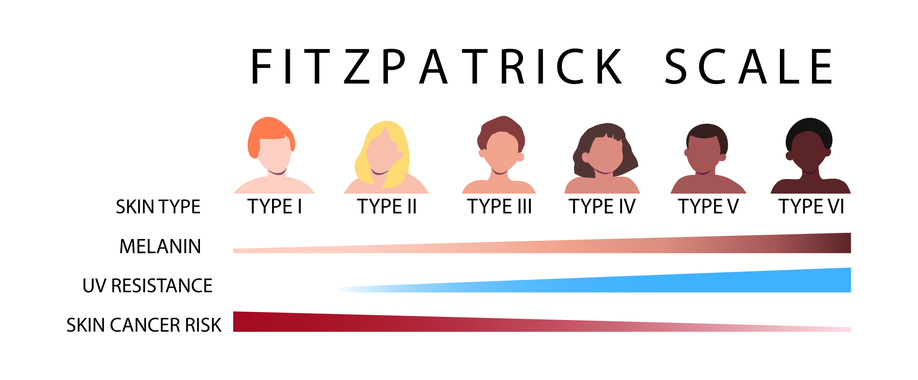 The Fitzpatrick scale classifies skin color using a numerical scale.
What are the screening protocols for skin cancer?
The Fitzpatrick scale classifies skin color using a numerical scale.
What are the screening protocols for skin cancer?
As dermatologists, we believe in getting a skin check once a year. For skin types 1-3, which range from very fair to medium skin tones, it’s beneficial to get examined once a year. If you have a history of skin cancer, we recommend getting checked every six months to a year.
Populations more vulnerable to skin cancer, such as people taking immunosuppressive drugs and those with organ transplants, should also stay proactive with yearly screenings.
What treatment options are available?
The treatment plan for each patient depends on the type of skin cancer they have and its location on the body. Surgery is the gold standard for most cases. Some patients will also need to undergo a PET scan, CT scan or lymph node biopsy.
Are there any side effects of skin cancer treatment?
People can experience a little bit of pain afterwards but typically are back to normal shortly after their treatment.
Are there any clinical trials involving melanoma and skin cancer at Massey?
I am currently conducting a clinical trial for squamous cell carcinoma. Instead of performing surgery, we are injecting immunotherapy into the tumor.
Learn more about clinical trials available at Massey
What are some common misconceptions about melanoma and skin cancer?
Lesions can often be neglected on skin of color due to a misconception that people of color cannot get skin cancer. People with deeper skin tones often end up being misdiagnosed or issues are just neglected. African Americans can get melanoma, especially on hands and feet. People with skin types 1-3 have the highest risk. While those with skin types 4-6 are less likely to develop skin cancer, it still does happen.
Is there anything else people should know about skin cancer?
If you do get a melanoma diagnosis, seek a fellowship-trained Mohs surgeon, dermatologist and surgical oncologist. Together, they can integrate care to make sure you have the best possible outcome.
What are the benefits of a patient coming to Massey for their cancer care?
At Massey, we can standardize care for all of these patients. Everyone is collaborative so we can all work together. We get a lot of cases from community and private practice, so it’s good that we’re able to take on those patients. If you are diagnosed with skin cancer, Massey has a full range of support services and patient care to support you through your journey.
Related News
Community Engagement, Prevention , Patient Stories
Closing the gap for disparities in prostate cancer prevention, care and survivorshipSep 29, 2026

Get access to new, innovative care
Treatments in clinical trials may be more effective or have fewer side effects than the treatments that are currently available. With more than 200 studies for multiple types of cancers and cancer prevention, Massey supports a wide array of clinical trials.
Find a provider
Massey supports hundreds of top cancer specialists serving the needs of our patients. Massey’s medical team provides a wealth of expertise in cancer diagnosis, treatment, prevention and symptom management.