Latest News
Research & Innovation, Clinical Care, Prevention
Brain Cancer Awareness Month: Symptoms, types & treatment
May 27, 2026
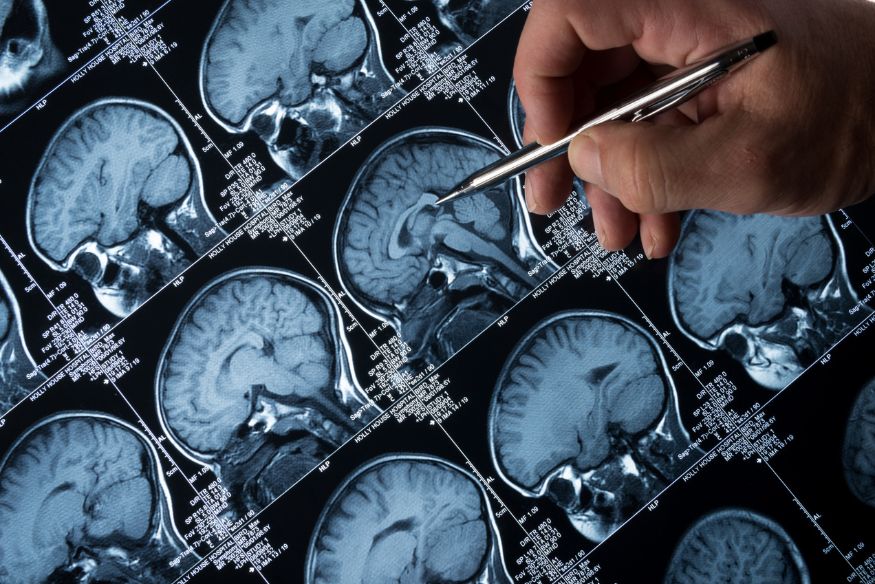
May is Brain Cancer Awareness Month. According to the American Cancer Society (ACS), brain and spinal cord cancers make up about 1% of new cancers in the United States each year. The ACS estimates that about 24,740 malignant tumors of the brain and spinal cord will be diagnosed in both adults and children in 2026.
While the ACS estimates that about 18,350 people will die from brain and spinal cord cancers this year, the good news is that advances in brain and spinal cord cancer care are improving survival rates. We spoke with Ryan Cleary, M.D., a neurosurgeon at VCU Massey Comprehensive Cancer Center, to learn more about brain cancers and how Massey is advancing treatments.
Read more for the following article highlights:
About Dr. Cleary
- His interest in brain cancer and neurosurgery
- What brought him to Massey and what he enjoys most about being here
- The benefits of comprehensive cancer care
Brain Cancer FAQs
- What is brain cancer and what are the various tumor types in adults and children?
- Brain cancer symptoms, screenings and risk factors
- Challenges of treating brain cancer
- Advancements in brain cancer treatments and surgeries
- Massey’s treatment of brain cancer
- Side effects of brain cancer treatment
- Brain cancer clinical trials
About Dr. Cleary
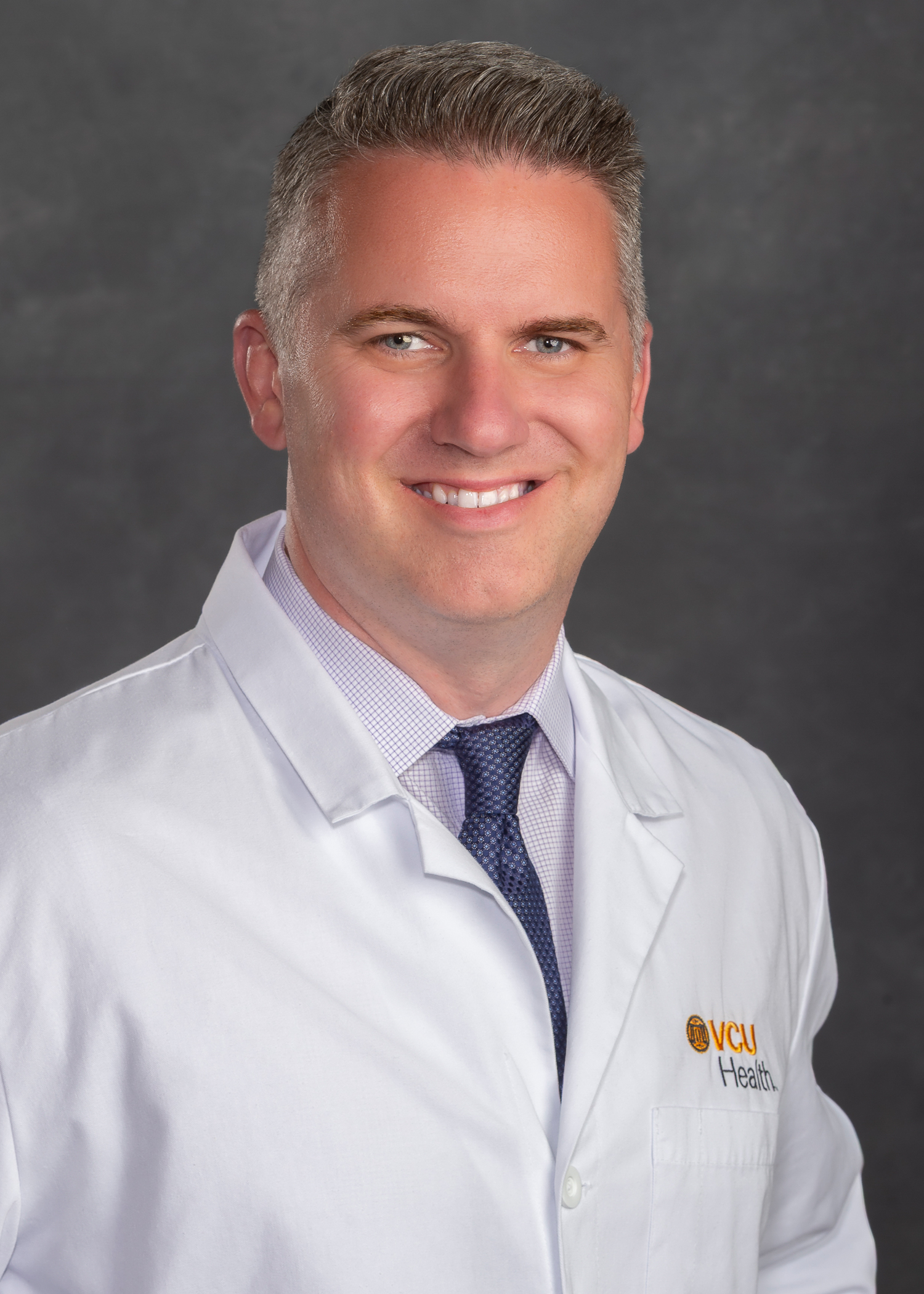 Ryan Cleary, M.D.
How did you become interested in a career that specializes in the treatment of brain cancer?
Ryan Cleary, M.D.
How did you become interested in a career that specializes in the treatment of brain cancer?
After graduating from Boston College, I first started seeing these patients when I was in medical school at St. Louis University, and I thought brain tumors were interesting. I enjoyed the surgeries, but I don't think I really appreciated everything that went into it.
Then, as I got into residency and got to know the patients more, I got to see their resiliency and how these patients and families were going through horrible events in their life, but almost across the board, ended up being some of the nicest and most upbeat people you’ll ever meet. That just expanded my interest further into a field I wanted to be a part of.
What brought you to Massey and Richmond?
Dr. David Limbrick was one of the attendings I worked with when I was a resident at Washington University, and when he took over as the chair of the Department of Neurosurgery at VCU, he started telling me about Richmond, and about all the growth that was going on with Massey. He emphasized how the cancer center had just gotten its comprehensive status and was doubling down on both its patient focus and research, and that really appealed to me.
What have you enjoyed most about being a part of Massey?
I think that Massey is a really great collaborative environment. There's great support staff for clinical trials and there's always interesting trials arising. And, whether it be my colleagues in neuro-oncology and radiation oncology that I work with all the time, or people in surgical oncology and medical oncology that I don't get to work with as often, those relationships have been great.
Ultimately, everybody's on the same page with the same focus of helping people.
What are the benefits of multidisciplinary, comprehensive cancer care at Massey?
Cancer is an increasingly complex disease to diagnose and treat. The more we understand about it, the more treatment options there are, and as a result, that care is not something that can be managed by any single person. You truly need multiple areas of expertise:
- A surgeon who is up-to-date on all of the best treatment options and how those options can interface with other medical options;
- A medical oncologist;
- Neuro-oncology;
- Radiation oncology;
- Social work;
- A great nurse coordinator who can help organize and optimize clinic visits.
At Massey, we have a multidisciplinary care clinic where we have neurosurgery, social work, radiation oncology, and neuro-oncology all in the same clinic on the same day, and patients can see everybody at once instead of coming back and forth multiple times. I think that is where having a true comprehensive cancer center model really benefits patients.
I think that there was a lot of growth at Massey on this front before I came here, and I can see it continuing today. Massey has positioned itself to be one of the leaders, not just locally, but nationally, and I see patients more and more realizing that Massey is not just the local cancer center, but it is a destination cancer center that can provide some of the best, most cutting-edge cancer care in the country.
Brain Cancer FAQs
What is brain cancer, and what are the different tumor types you see in adults versus children?
With brain cancers, there are two main types:
- Brain metastases, which is cancer coming from a different part of the body and going to the brain. That's one of the most common types of cancer in adults, but is not very common in kids.
- There are also cancers that actually grow from the brain itself, and those are cancers like glioblastoma that a lot of people have heard of, and then some rarer types of tumors in adults. Most of the types of tumors that we see in kids are very rare.
The treatment for adults and kids is slightly different, but either way, it's something that's either growing from the brain or has gone to the brain, and it's causing problems by compressing normal areas around it.
Are there any symptoms of brain cancer that people should be aware of?
It is really hard to point to a particular symptom. Many times, these tumors are growing slowly, and the symptoms are subtle. Patients often ask me, “Is there anything I could have done that could have caught this earlier?” And the answer is usually “no.”
Symptoms can sometimes appear suddenly, such as a patient presenting with a seizure. But frequently, patients have gotten worse over a slow period of time before they notice that they are weaker than they normally seem, or they're really having more difficulty with speech.
Brain tumors and cancer are really hard to pick up on, so I don't think there is one specific thing or a series of symptoms to look out for because the appearance of symptoms is not usually very sudden. It's usually a slow build in symptoms over a number of months.
Are there any screenings available for brain cancer?
Unfortunately, there really are not, unless we’re dealing with brain metastases. In that case, if a patient has an established cancer somewhere else in the body, then usually there's some degree of screening imaging that's going on. And so when they get diagnosed, usually they'll do imaging of the rest of the body, imaging of the brain and the spinal axis, or a PET scan.
Sometimes, that allows us to detect those cancers early. But for tumors that are coming from the brain, these are very rare. Unfortunately, for those kinds of tumors, it is really just bad luck. Right now, good screening tools do not exist because we would have to screen hundreds and hundreds of thousands of people to find just a handful of these tumors.
Are there any known ways to reduce the risk of brain cancer, or have we seen any signs that brain cancer can be hereditary?
In most cases, we have not seen evidence that brain cancer can be hereditary. However, there are a handful of hereditary genetic diseases that predispose people to types of brain cancers. With von Hippel-Lindau syndrome, patients can end up with hemangioblastomas and other rare brain tumors. Patients with neurofibromatosis type 2 can end up with a whole spectrum of different types of brain tumors, from vestibular schwannomas, tumors that come off of one of the nerves that supply the ear, to meningiomas and other types of tumors as well, but those are rare.
For the majority of patients with brain tumors, though, there really isn’t anything you can do to prevent getting it. Unfortunately, there are not many great risk factors that we have identified.
Are there any known disparities amongst different groups of people, or environmental factors that increase the risk of brain cancer?
There are definitely disparities that can lead to worsening outcomes in patients, and I think there has been a big focus on leveling the playing field for all people, making sure that patients can afford treatment, or find transportation to an appointment so they don’t miss a treatment. While that work has been started and is ongoing, there is certainly still room for improvement.
What are the challenges with treating brain cancer?
One of the biggest challenges is that you're dealing with trying to remove a tumor from an area where there are all kinds of other really important functions going on. So, a big part of treating these tumors surgically is understanding the normal anatomy, understanding what parts of the brain do what.
Once you know that, you are figuring out what you can take out and what you can’t, and that has been a huge part of our advancements in brain tumor surgery.
How have brain cancer surgeries and treatment advanced over the last 10-15 years?
We have been finding ways to do surgeries better and less invasively by advancing our imaging modalities so that we can map out where functions are and really understand where the safe (and unsafe) areas are to operate in the brain and then finding ways to treat these less invasively.
At Massey, we’re doing treatments like awake surgeries, where the patient is awake so that they can answer questions throughout the surgery so that we know exactly where the functional areas of the brain are.
We’re also doing laser ablation, which removes the need for open surgery. We use a probe to pass through normal tissue without disrupting it and then only attack the tumor itself by heating it up.
Brain metastases treatment has really shifted a lot. There's been huge leaps and bounds in understanding the biology of the brain and the new less invasive treatments and surgical approaches have changed the game.
We’re also doing more research into different types of treatments, and we’ve seen some successes in treating children’s brain cancer.
Despite all that research, we haven't made a ton of progress in tumors like glioblastoma. For me, that's a continued area of interest for research and the development of new treatments.
What is Massey doing that is unique when it comes to the treatment of brain cancers?
I think that one of the things that differentiates Massey from some of the other local providers is that we offer everything. We have programs that not everybody has, like the laser program or awake surgeries. We are proud that we can take out tumors that others might classify as unresectable.
We recently started using tile-based brachytherapy for patients with recurrent brain metastases and recurrent glioblastoma, and we are going to be one of two sites in Virginia that is part of an upcoming clinical trial that is looking at brachytherapy for newly diagnosed glioblastoma.
I think that Massey finds a balance between getting involved in cutting-edge clinical trials and making sure that we've got the right people to offer all of the different types of treatment modalities so that when we're looking at an individual patient, it really is an individualized treatment.
What are the potential side effects that a patient might have during treatment?
For the higher-grade types of brain cancers, chemotherapy and radiation are the mainstay treatments, and I one of the most common side effects is generalized fatigue. Brain cancer and the treatment itself can take a big toll on your body.
Chemotherapies can have all kinds of side effects, whether it be hair loss or problems with your blood cell counts. Often one of the main reasons that people have to be taken off of chemotherapy is that their platelet cell counts drop and their immune system cells drop. People are at increased risk for infections, as well. Like I said, it's a tough treatment and really takes a lot out of people, which is why I am in awe of the spirit of the patients I encounter.
You mentioned the upcoming brachytherapy clinical trial, but are there other brain cancer-related clinical trials available at Massey?
Across all of the different types of cancers, there is a subset of disease working groups that are constantly looking for new trials to make sure that we have a portfolio of trials that address all of the different types of tumors at all the different stages. These look at new types of tumors, recurrent types of tumors, specific subtypes of tumors, and genetic subtypes of tumors.
Learn more about clinical trials available at Massey
With our primary goal being to make sure our patients get the best outcomes, we partner with our other hospitals around the area, so if there is a trial that we have that another center doesn’t, or vice versa, we have no problem with people from other areas coming to us for treatment in a clinical trial or letting our patients know about trials in other areas.
Learn more about brain tumors and Massey's multidisciplinary approach
Related News
Clinical Care
Massey becomes one of two sites in Virginia to offer single-port robotic surgery for prostate cancerSep 28, 2026
Clinical Care, Prevention , Patient Stories
Cancer care in Southside Virginia: Alan Veeck’s prostate cancer journeySep 21, 2026

Get access to new, innovative care
Treatments in clinical trials may be more effective or have fewer side effects than the treatments that are currently available. With more than 200 studies for multiple types of cancers and cancer prevention, Massey supports a wide array of clinical trials.
Find a provider
Massey supports hundreds of top cancer specialists serving the needs of our patients. Massey’s medical team provides a wealth of expertise in cancer diagnosis, treatment, prevention and symptom management.