
Latest News
Prevention
Cancer screening: An overview
Jun 3, 2014

Cancer screening is the subject of much debate. As new research discoveries are made, organizations like the United States Preventive Services Task Force and the American Cancer Society have to reevaluate their screening guidelines based on the most current scientific evidence in order to ensure that patients are receiving the most up-to-date and well-informed recommendations.
Purpose of screening
Cancer screening aims to detect cancer before symptoms appear. Detecting cancer early is important, because often by the time symptoms appear, the cancer has already grown and spread and is more difficult to treat.
Types of screening tests
There are many types of screening, which include:
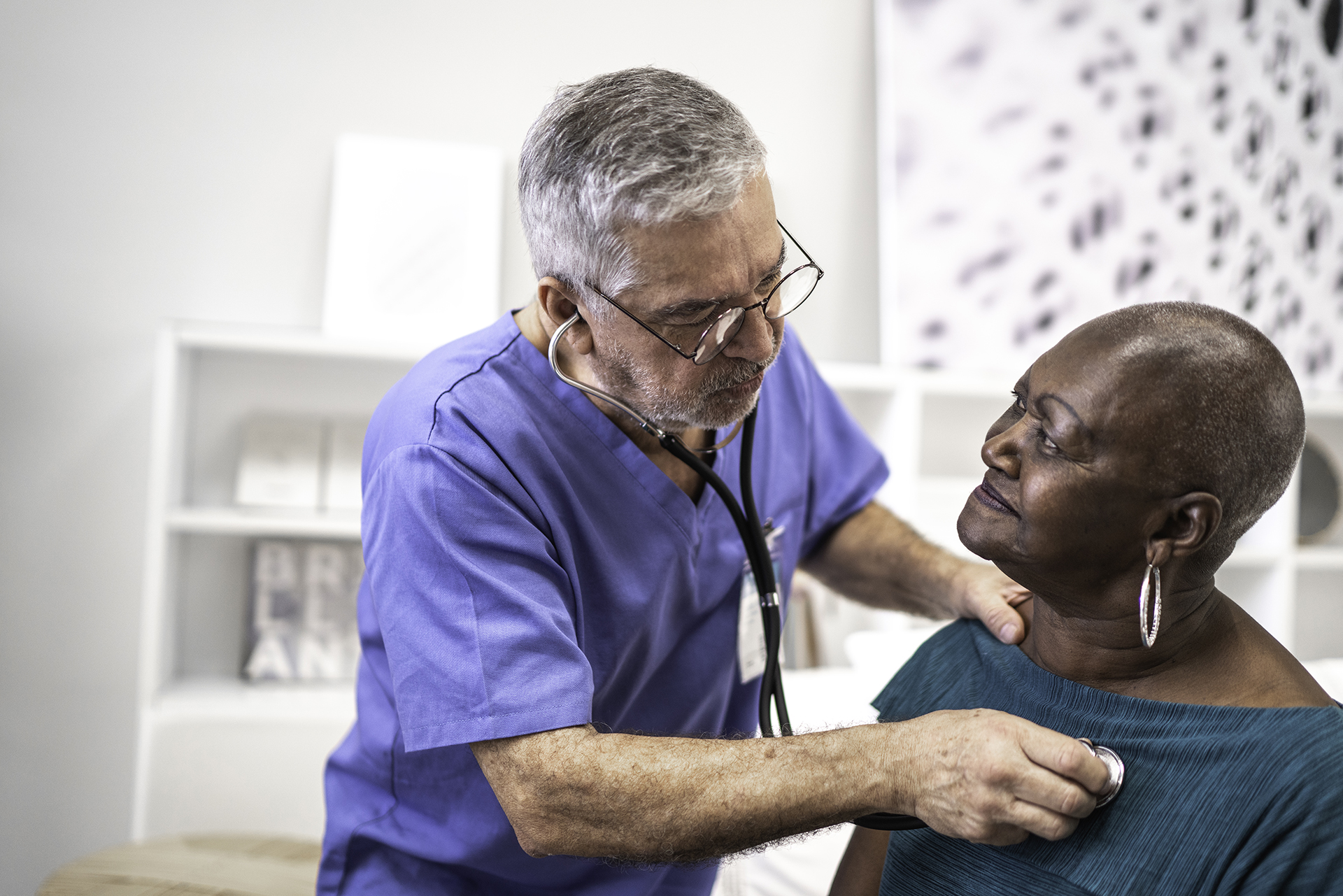
- Physical exams. While examining the body, physicians can check for general signs of disease, such as lumps, suspicious moles or anything else unusual.
- Laboratory tests. Physicians can test samples of tissue, blood, urine or other substances to examine for potential cancer markers.
- Imaging procedures. These tests take detailed pictures of areas inside the body. They include mammography, computed tomography (CT), magnetic resonance imaging (MRI) and/or x-rays.
- Genetic tests. Genetic tests can look for gene mutations that are linked to certain types of cancer, such as BRCA1 and BRCA2, which greatly increase the risk of breast and/or ovarian cancer.
Why screening is important
Cancer screening is an important part of reducing the number of lives lost to cancer. Finding the cancer early, or in some cases preventing it altogether, is a benefit of cancer screening. Some screening tests, like colonoscopies, can find growths and remove them before they become cancerous and, generally, cancer treatment is more effective when the disease is found early.
Discuss screening with your doctor
Screening can save lives, but it does involve risk. Risks of screening include anxiety, over-diagnosis, over-treatment, false positives or false negatives, and pain or discomfort. It’s important to make well-informed decisions and talk with your physician about your personal cancer risk and the screening tests from which you would most benefit. It is also vital to know your own body, be aware of abnormal changes and report them to your doctor.
To learn more about cancer screening, visit massey.vcu.edu/patient-care/prevention-screening.
Written by: Alaina Schneider
Related News
Research & Innovation, Clinical Care, Prevention , Leadership
International community gathers for 2026 Global Cardio-Oncology Summit in WilliamsburgOct 14, 2026
Community Engagement, Prevention , Patient Stories
Closing the gap for disparities in prostate cancer prevention, care and survivorshipSep 29, 2026
Clinical Care, Prevention , Patient Stories
Cancer care in Southside Virginia: Alan Veeck’s prostate cancer journeySep 21, 2026

Get access to new, innovative care
Treatments in clinical trials may be more effective or have fewer side effects than the treatments that are currently available. With more than 200 studies for multiple types of cancers and cancer prevention, Massey supports a wide array of clinical trials.
Find a provider
Massey supports hundreds of top cancer specialists serving the needs of our patients. Massey’s medical team provides a wealth of expertise in cancer diagnosis, treatment, prevention and symptom management.